

/prod01/wlvacuk/media/departments/digital-content-and-communications/images-2026/Claire-Macdonald-graduate---courtyard-2-wolf-resized.jpg)
/prod01/wlvacuk/media/departments/digital-content-and-communications/submitted-news-images/nss2026_800x400-1.jpg)
/prod01/wlvacuk/media/departments/digital-content-and-communications/CTU-2.jpg)
/prod01/wlvacuk/media/departments/digital-content-and-communications/Adopting-AI-for-Business.jpg)
/prod01/wlvacuk/media/departments/digital-content-and-communications/images-2026/Prashant-Pillai--Solange-Chamberlain----Stephen-Simpkins.jpeg)
/prod01/wlvacuk/media/departments/digital-content-and-communications/submitted-news-images/Civic_University_Agreement_02.jpg)
Where’s the proof? Data Access Statements for the win
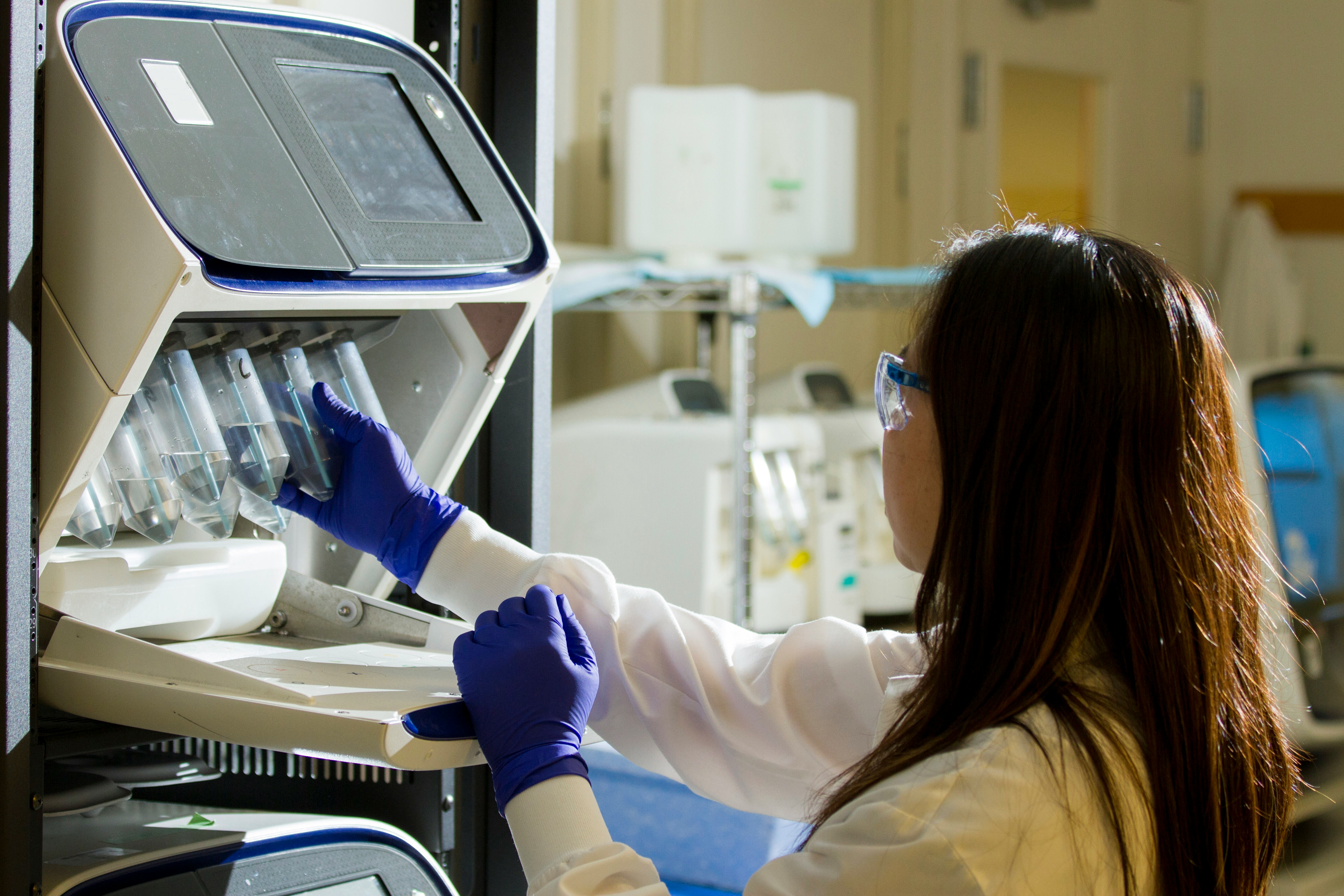
One of the big drivers for the adoption of Open Research was the Reproducibility Crisis. This came about in the 2000’s when it was recognised that a large number of published papers were being retracted when it was revealed that data did not support the findings the author claimed. Often this was because the article addressed a different research question to that which the dataset was created for.
Publishing articles that had to be retracted due to this mismanagement of data, and being cited as the funder of a work that had to be retracted for these reasons, had a negative effect for publishers and funders so they started to introduce requirements for sharing data that supported a publication’s conclusions to hold authors to account.
It’s worth remembering at this point that data is not just quantitative data. Supporting data is all material that contributes to research findings. It can be qualitative data, like interview transcripts, but also artefacts like samples of different types of substances, videos of activity, or sources like physical objects like statues and pieces of art or historical texts. This means you might not be pointing people to data you personally collected but also any third party datasets you used. While all data sharing should be FAIR (see our blogpost on what makes data FAIR), it is not necessary that you make your data open. You can share information about accessing data in such a way that you authorise when people can access the data based on legitimate interest, though we would encourage that you make data open if you can.
When you submit to a journal, you may find that your journal has a data sharing policy. This may require that you have the data available for people who want to validate your conclusions. If the journal itself does not provide an option for sharing the data, or the data is too sensitive to share widely, you may be required to provide a data accessibility statement that explains where your data is, and how someone can access it.
It is worth noting that if you’re submitting to a journal with a double-blind peer review process, you should avoid providing information that would identify the authors of the work. The journal should be able to help with queries you might have on how to handle this, but usually they will want two versions of the manuscript, one of which is anonymised.
There are a range of different data availability statements that will depend on the policy of the journal you are submitting to, and how you are making your data available.
Publishers often have suggested formats for data access statements:
Taylor and Francis have a long list of different types of statements that they recommend authors use for different circumstances.
Cambridge University Press have this guide.
Springer Nature vary their statements based on discipline.
Wiley have a range of templates.
SAGE have a list of elements that should appear in data statements.
If you would like any help with writing a data availability statement, the Scholarly Communications Team can help.
Photo by National Cancer Institute on Unsplash
For more information please contact the Corporate Communications Team.