

/prod01/wlvacuk/media/departments/digital-content-and-communications/submitted-news-images/nss2026_800x400-1.jpg)
/prod01/wlvacuk/media/departments/digital-content-and-communications/images-2024-25/240404-Digital-Humanities-Training-Resized.jpg)
/prod01/wlvacuk/media/departments/digital-content-and-communications/submitted-news-images/Indian-weightlifting-team.JPG)
/prod01/wlvacuk/media/departments/digital-content-and-communications/submitted-news-images/Women-in-Engineering-Day.JPG)
/prod01/wlvacuk/media/departments/digital-content-and-communications/images-18-19/220207-Midwives-Resized.jpg)
/prod01/wlvacuk/media/departments/research/sparc/DSC06826-1.jpg)
Heat Preparation for Performance in Extreme Environments
For more than 25 years, researchers and practitioners at the University of Wolverhampton have been helping athletes prepare for competition in some of the world's most demanding environments.
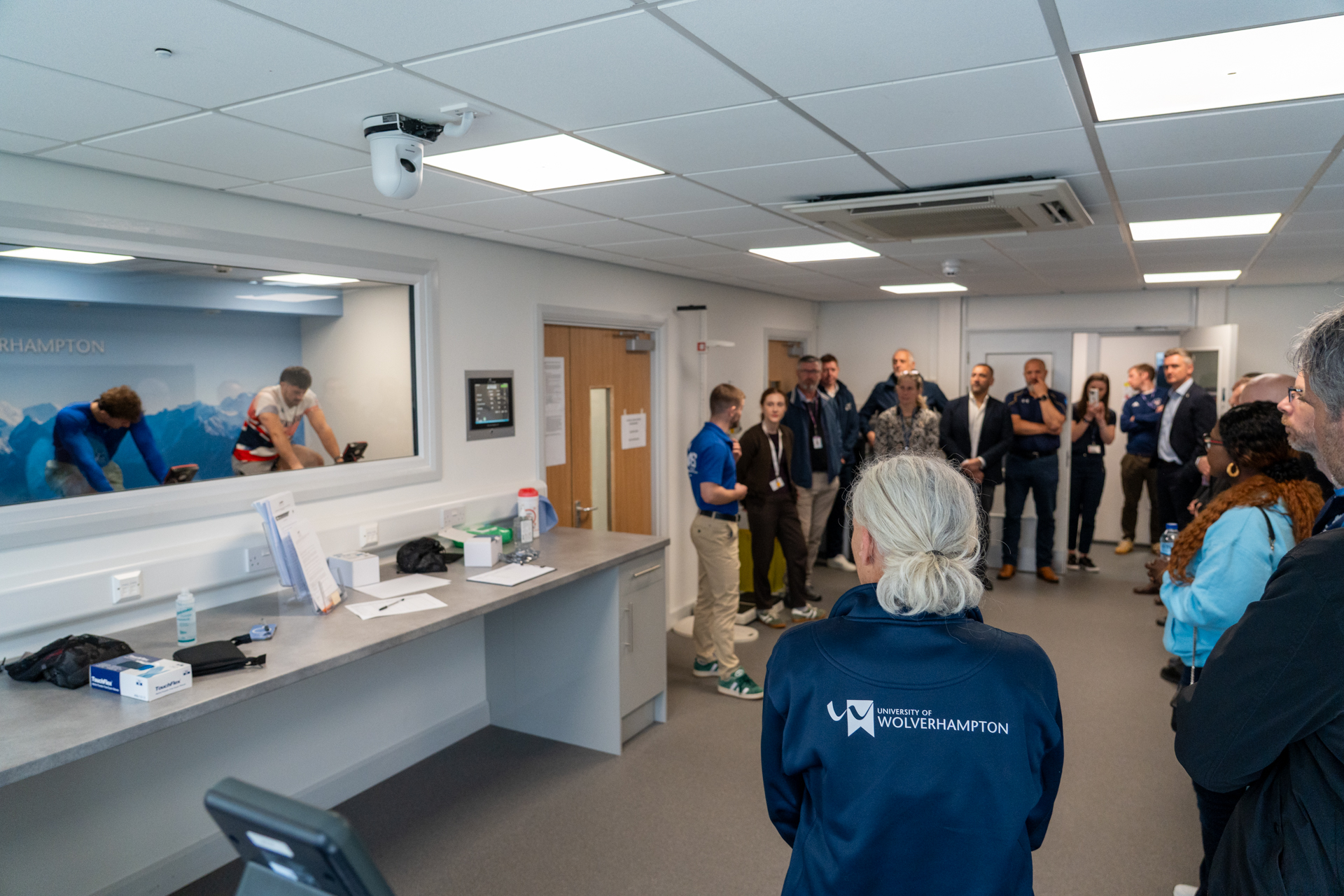
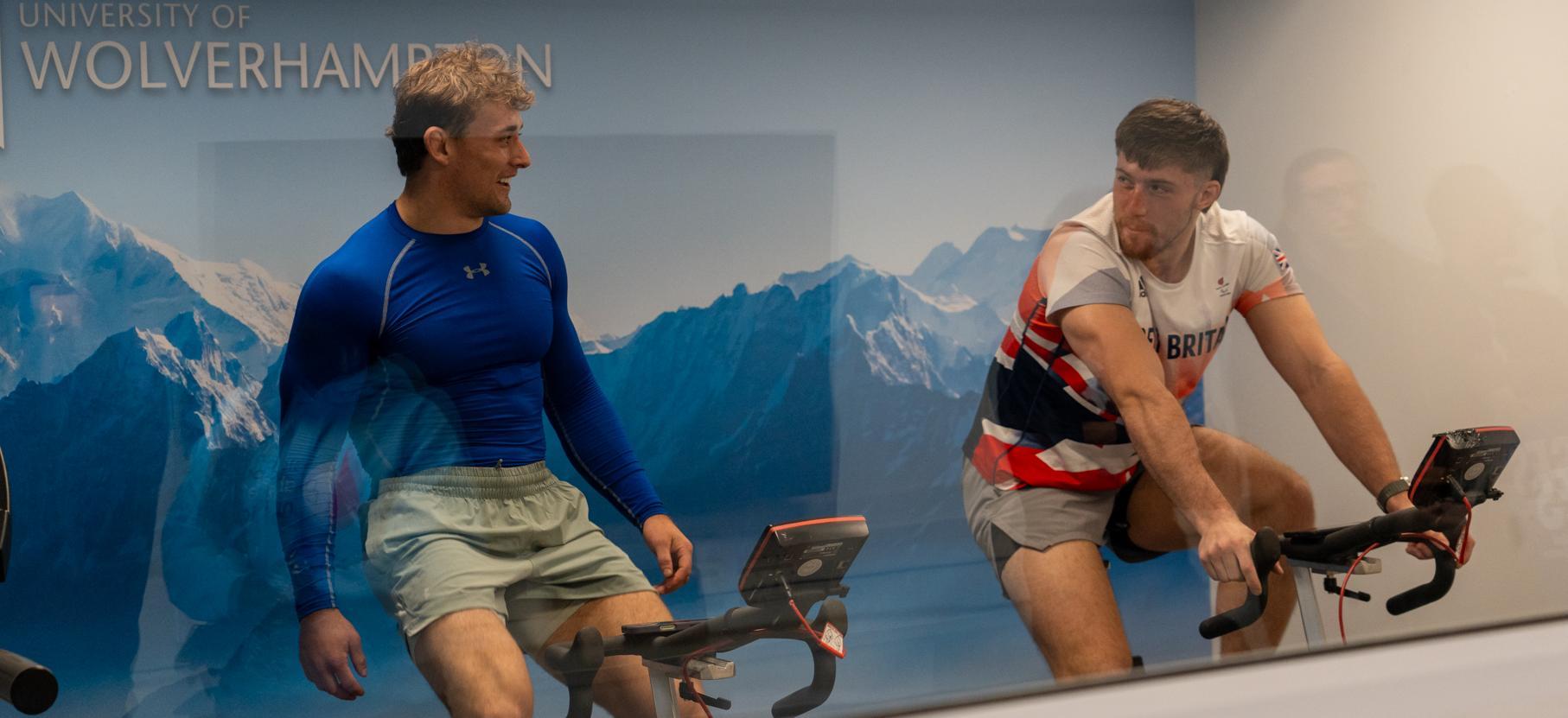
Using our specialist environmental chamber at Walsall Campus, we support athletes, coaches and organisations to understand how heat, humidity and altitude affect human performance, health and decision making. From ultra endurance events in the Sahara Desert and Amazon rainforest to the increasing challenges posed by global sporting competitions in hotter climates, our work helps individuals and teams prepare safely and effectively for environmental extremes.
University of Wolverhampton leads; Ross Cloak, Associate Professor of Sport and Exercise Science and Prof Andrew Lane, Associate Dean Research and Knowledge Exchange.
The challenge
Environmental conditions can significantly impact athletic performance and athlete welfare.
Heat stress increases cardiovascular strain, perceived exertion and the risk of heat-related illness, while also affecting physical and cognitive performance. Research consistently demonstrates that appropriate heat acclimation can help athletes adapt to these challenges and improve their readiness for competition in hot conditions.
With major international competitions increasingly taking place in hot and humid environments, athletes and support teams require evidence-based approaches to preparation that go beyond traditional training methods.
Our solution
The University of Wolverhampton's environmental chamber provides a controlled environment where temperature, humidity and altitude can be manipulated to replicate conditions found almost anywhere in the world.
The facility enables athletes and practitioners to:
- Undertake heat acclimation and acclimatisation programmes
- Assess physiological responses to environmental stress
- Develop hydration and recovery strategies
- Prepare for endurance events in extreme climates
- Evaluate performance and decision-making under heat stress
- Support research into human performance in environmental extremes
The chamber can simulate temperatures up to 40°C, humidity levels between 30% and 90%, and altitudes up to 6,000 metres, creating highly specific preparation environments tailored to individual or organisational needs.
Real world impact
Preparing Athletes for the Sahara Desert
In 2022, ultra-endurance runners James March and Greg Garner used the University's environmental chamber to prepare for the Marathon des Sables, a multi-stage race covering approximately 250km across the Sahara Desert, where temperatures can exceed 50°C. Through controlled exposure to heat and environmental stress, the athletes were able to prepare both physically and psychologically for one of the world's toughest endurance events.
Training for the Amazon Jungle
More recently, the environmental chamber has supported preparation for the Jungle Ultra in Peru's Amazon rainforest. By replicating the extreme heat and humidity of the rainforest environment, athletes were able to acclimatise before entering one of the most demanding endurance competitions on the planet. Participants credited the chamber-based preparation with helping them cope with the unique physical and mental demands of the event.
Translating research into practice
Our work is informed by decades of experience in environmental physiology and performance research. Evidence from heat acclimation studies shows that structured exposure to heat can improve thermal comfort, reduce perceptions of fatigue and support athlete readiness for competition in extreme conditions.
Why It matters now
As global temperatures rise and elite sporting events increasingly take place in hot climates, environmental preparation is becoming an essential component of performance planning.
Whether preparing for international football tournaments, endurance races, military operations, occupational performance, or other high-performance environments, organisations need robust evidence and specialist facilities to support human performance under environmental stress.
The University of Wolverhampton is uniquely positioned to bridge the gap between research and real-world application, helping athletes and organisations prepare for the environments in which success will ultimately be determined.
Working with industry and Elite Sport
Our environmental chamber and sport science expertise are available to support:
- Elite athletes and teams
- National governing bodies
- Professional sports organisations
- Endurance event competitors
- Military and emergency service personnel
- Occupational performance and health programmes
- Researchers and industry partners
We welcome opportunities to collaborate on research, consultancy, athlete support and performance testing.
Interested in exploring how environmental preparation can support your athletes or organisation? Get in touch to discuss partnership opportunities with the University of Wolverhampton's Elite Training Centre and environmental physiology team.