School of Architecture, Computing and Engineering

BSc (Hons) Architectural Design Technology with Sandwich placement

BSc (Hons) Sandwich 4 years

Our BSc Architectural Design Technology with Sandwich Placement course provides you with comprehensive knowledge of the architectural design process, integrated technology, and the essential skills to become a Chartered Architectural Technologist.

Our BSc Architectural Design Technology with Sandwich Placement course provides you with comprehensive knowledge of the architectural design process, integrated technology, and the essential skills to become a Chartered Architectural Technologist.

Award
BSc (Hons)
Start date(s)
14 September 2026
UCAS Code
K237
Course specifications
Course length
Sandwich (4 years)
Campus location
University: City Campus
UCAS points calculator

Why choose this course?

The NSS 2025 highlights a remarkable 100% satisfaction rate, with all students expressing their contentment with the teaching. This course reflects a well-informed decision based on the positive feedback from our students.

This course is accredited by the:

  • Chartered Institute of Architectural Technologists (CIAT)
  • Chartered Association of Building Engineers (CABE)

CFF CIAT Logo

The BSc (Hons) Architectural Design Technology course offers a route to developing the digital, technical, and design skills needed to excel in architecture and technology. The course adopts a knowledge-balanced approach incorporating architectural design, integrated technology, theoretical knowledge, human-centred design, experiential sustainability, and compliance. This balanced approach helps you connect design concepts with physical construction, preparing you to lead projects confidently. The course also teaches you how to navigate and manage the design process while applying technical expertise to create innovative, practical solutions that adhere to current practices and legislation. Completing this course will earn you an internationally recognised qualification, opening doors to exciting career opportunities worldwide.  

Join us and take the first step toward a rewarding future in architecture.

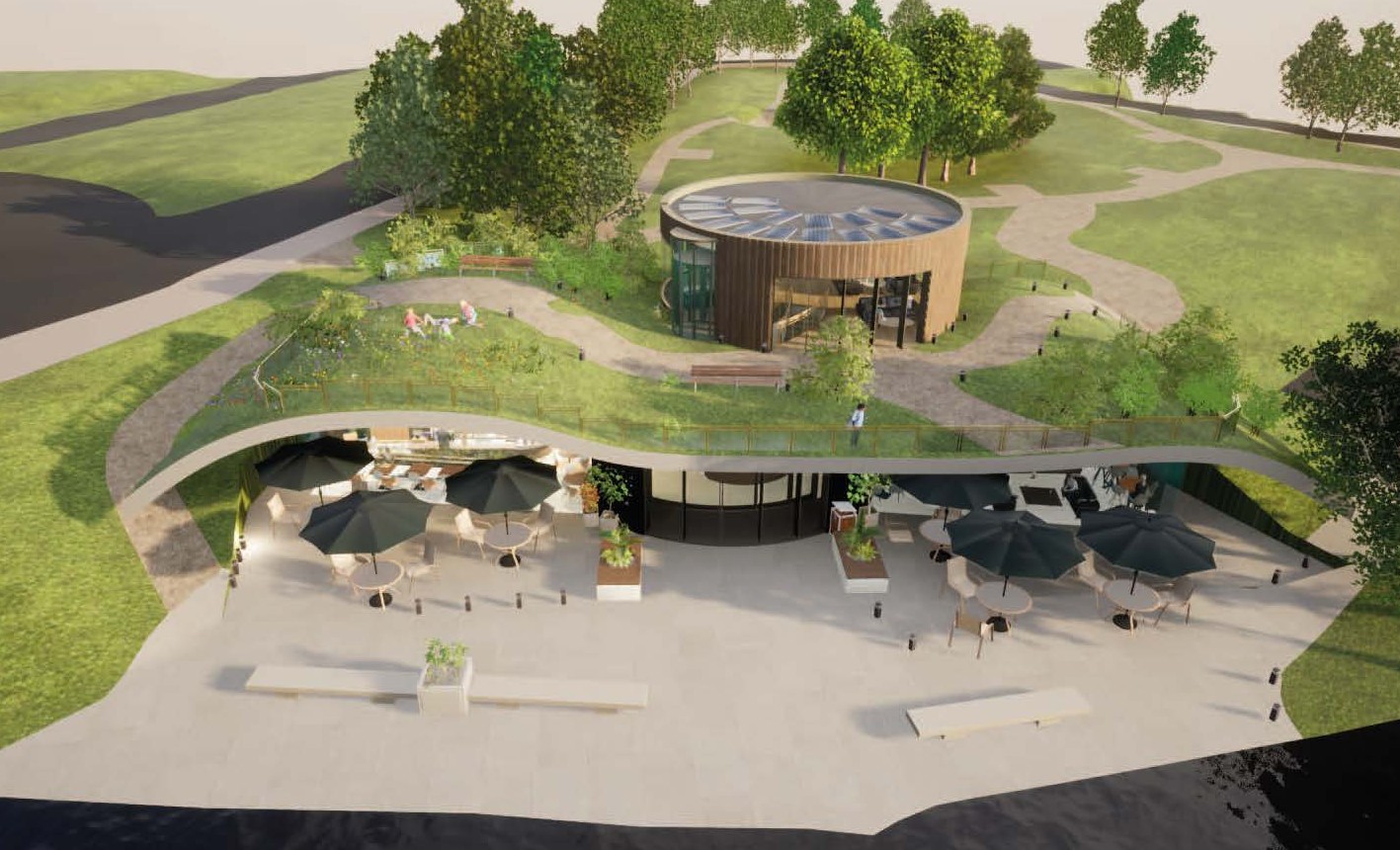
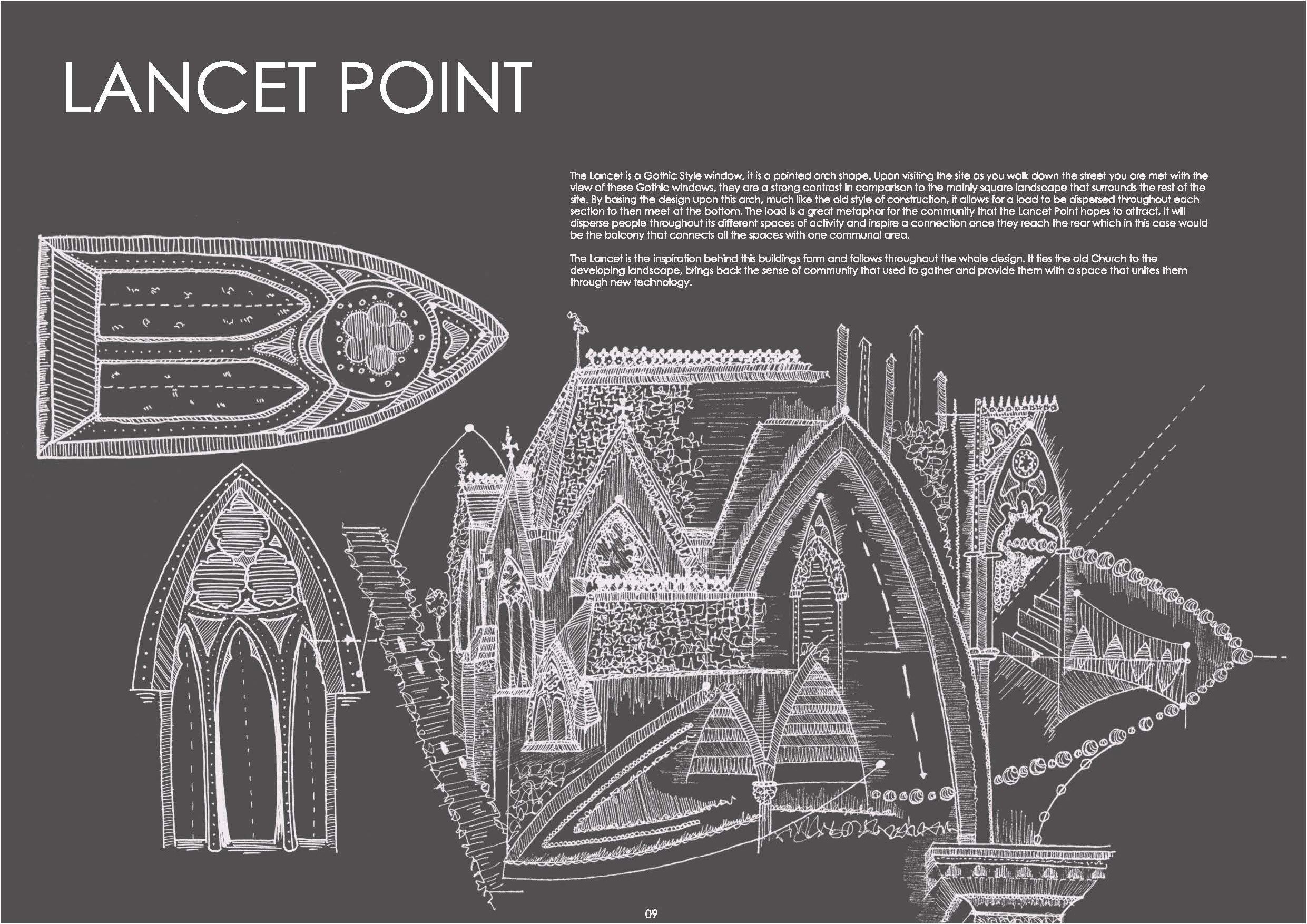
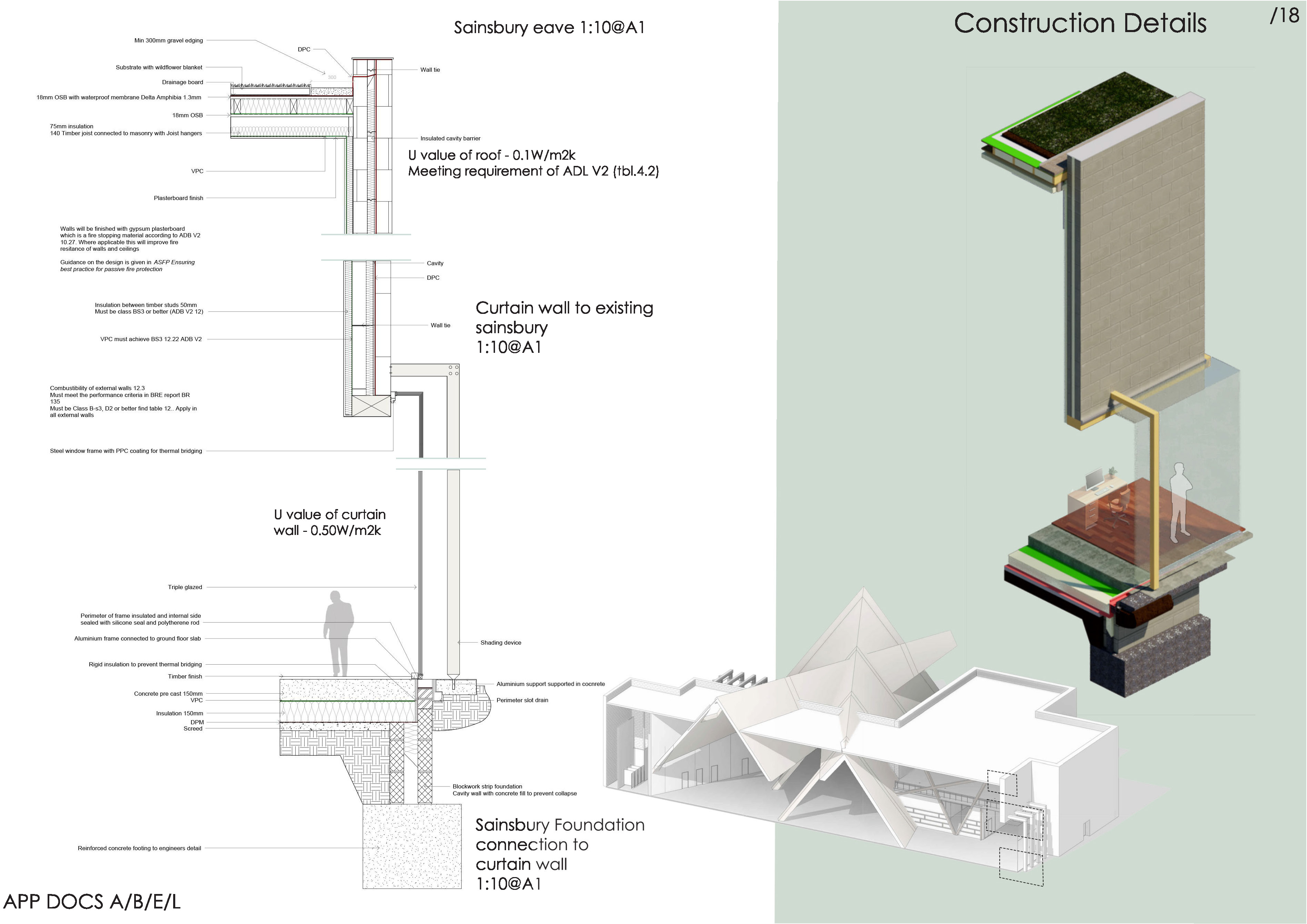
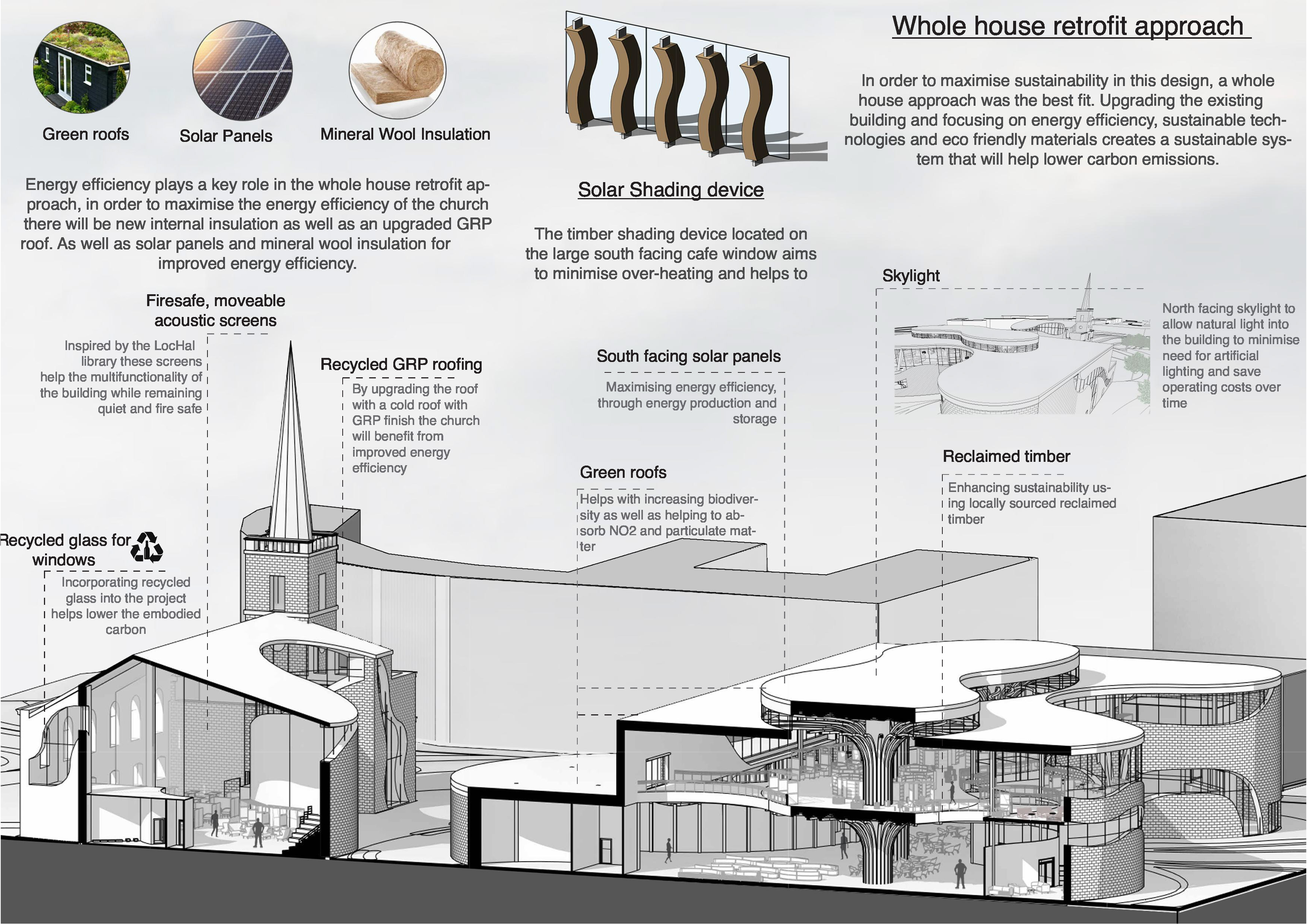
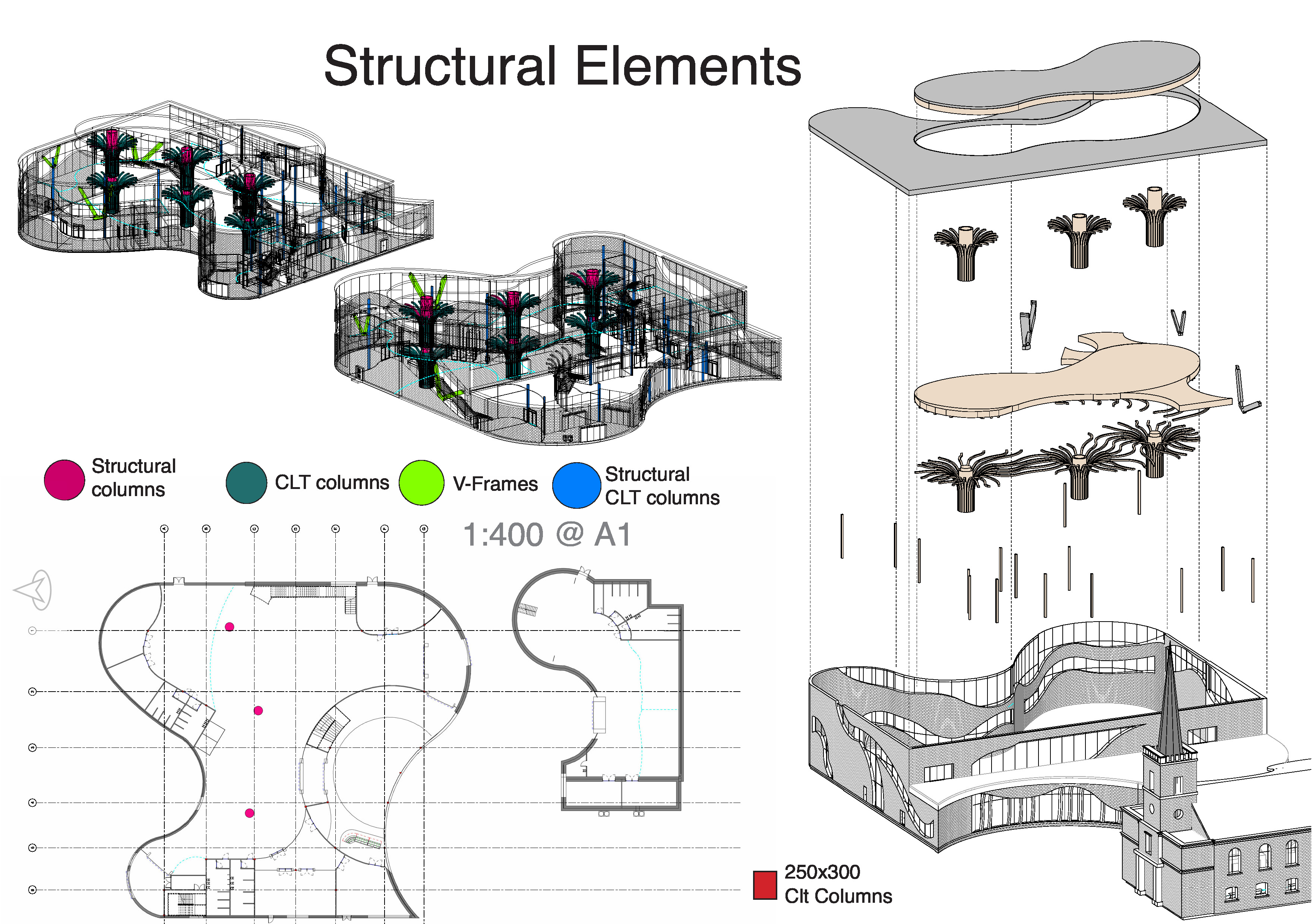
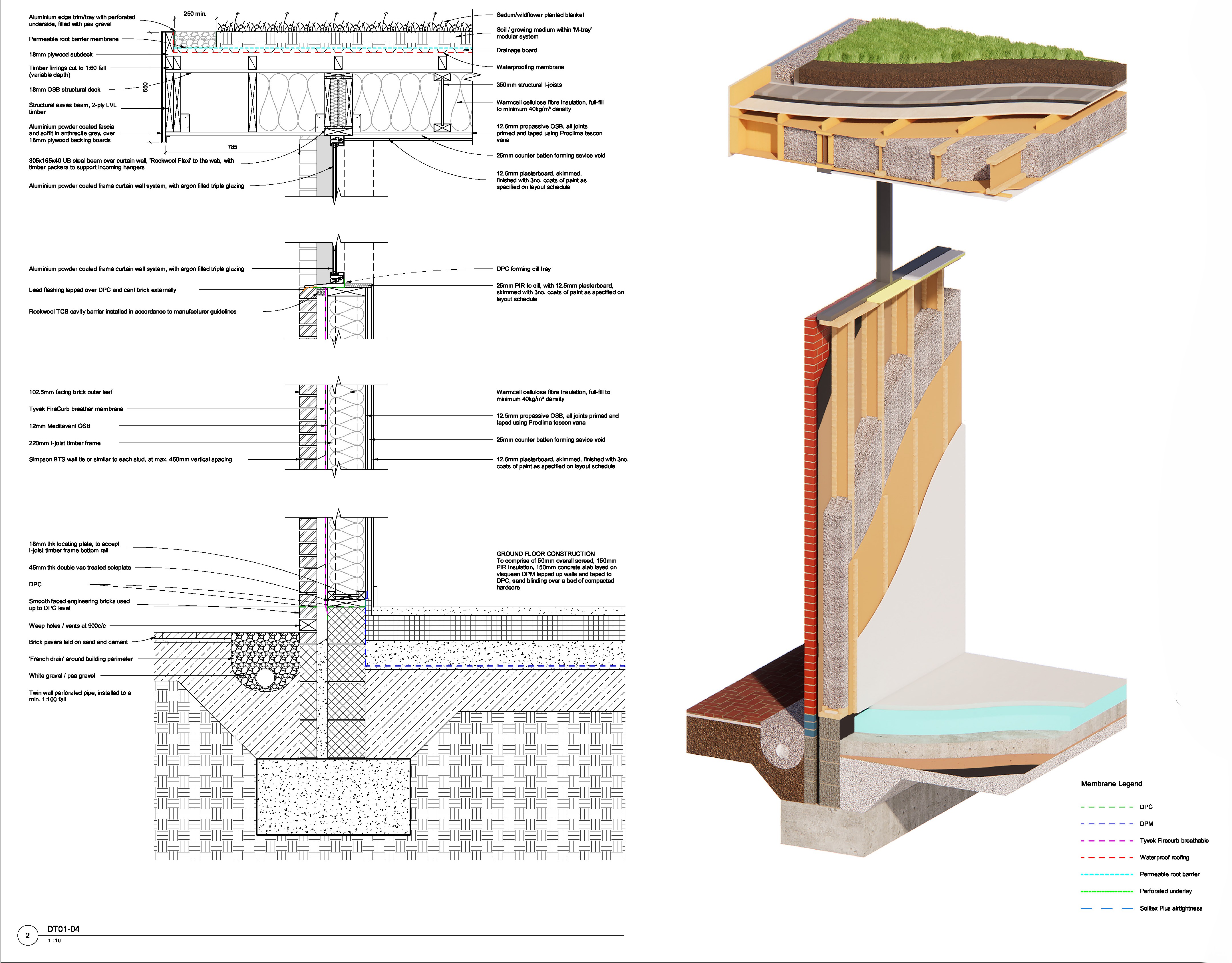
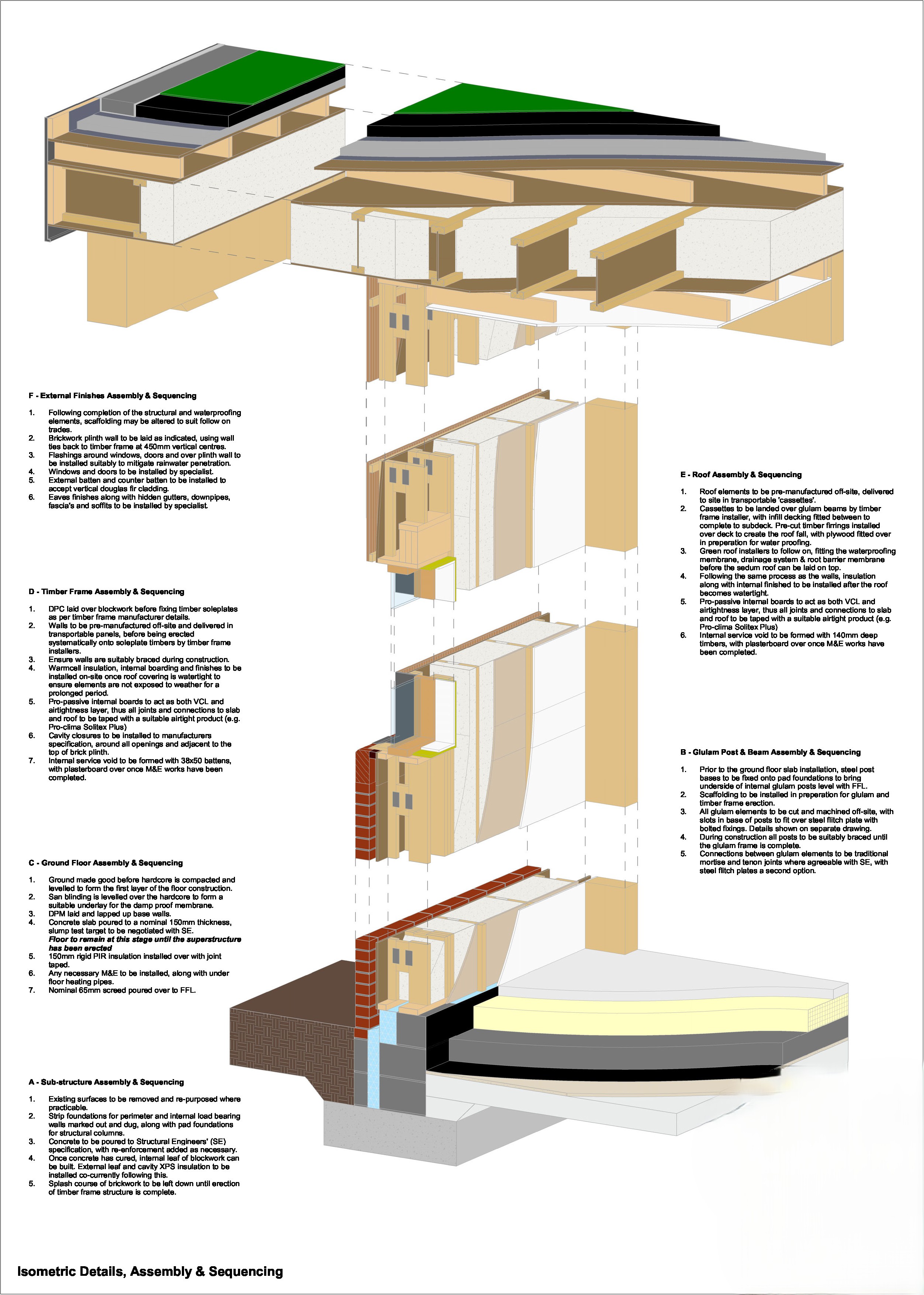
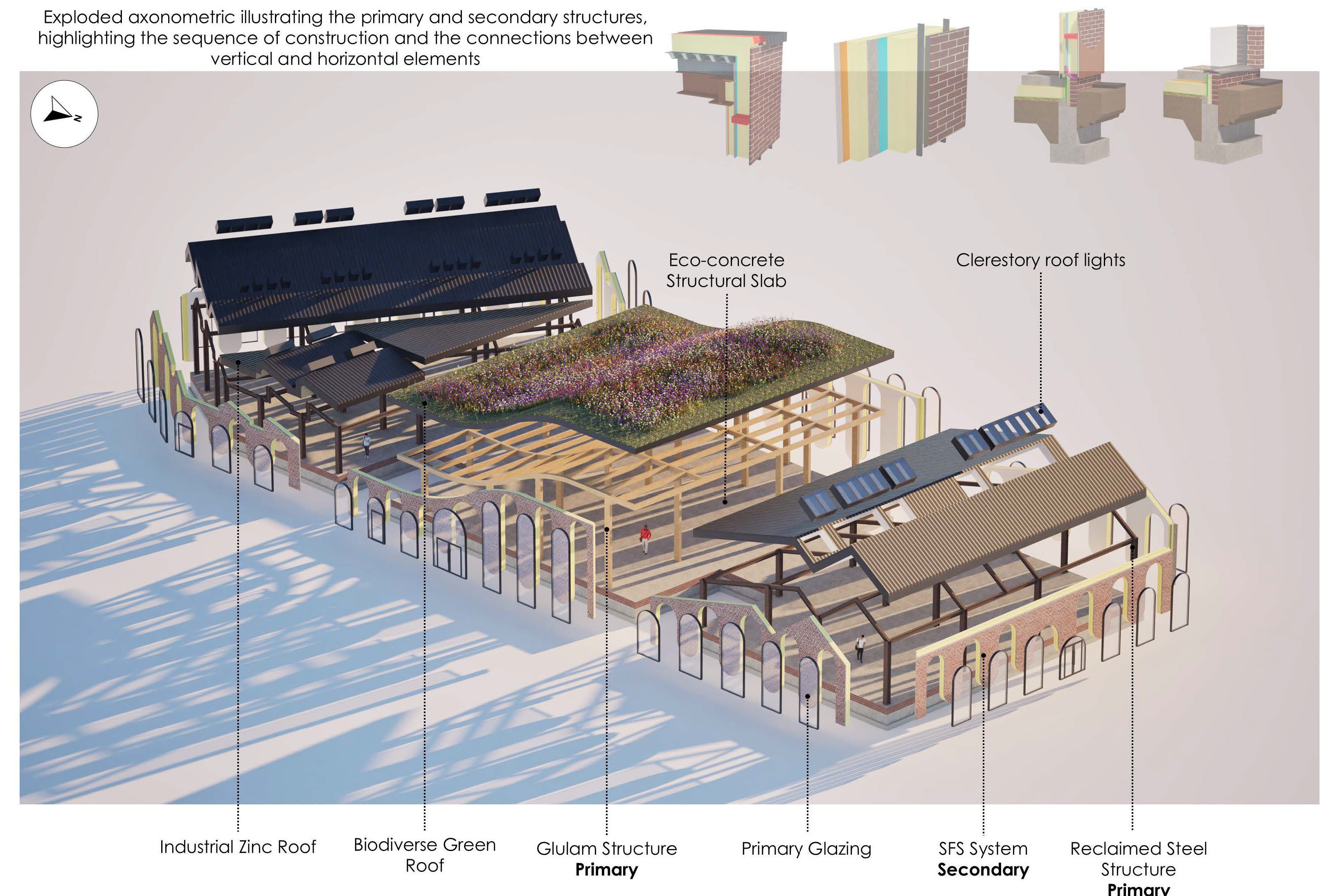
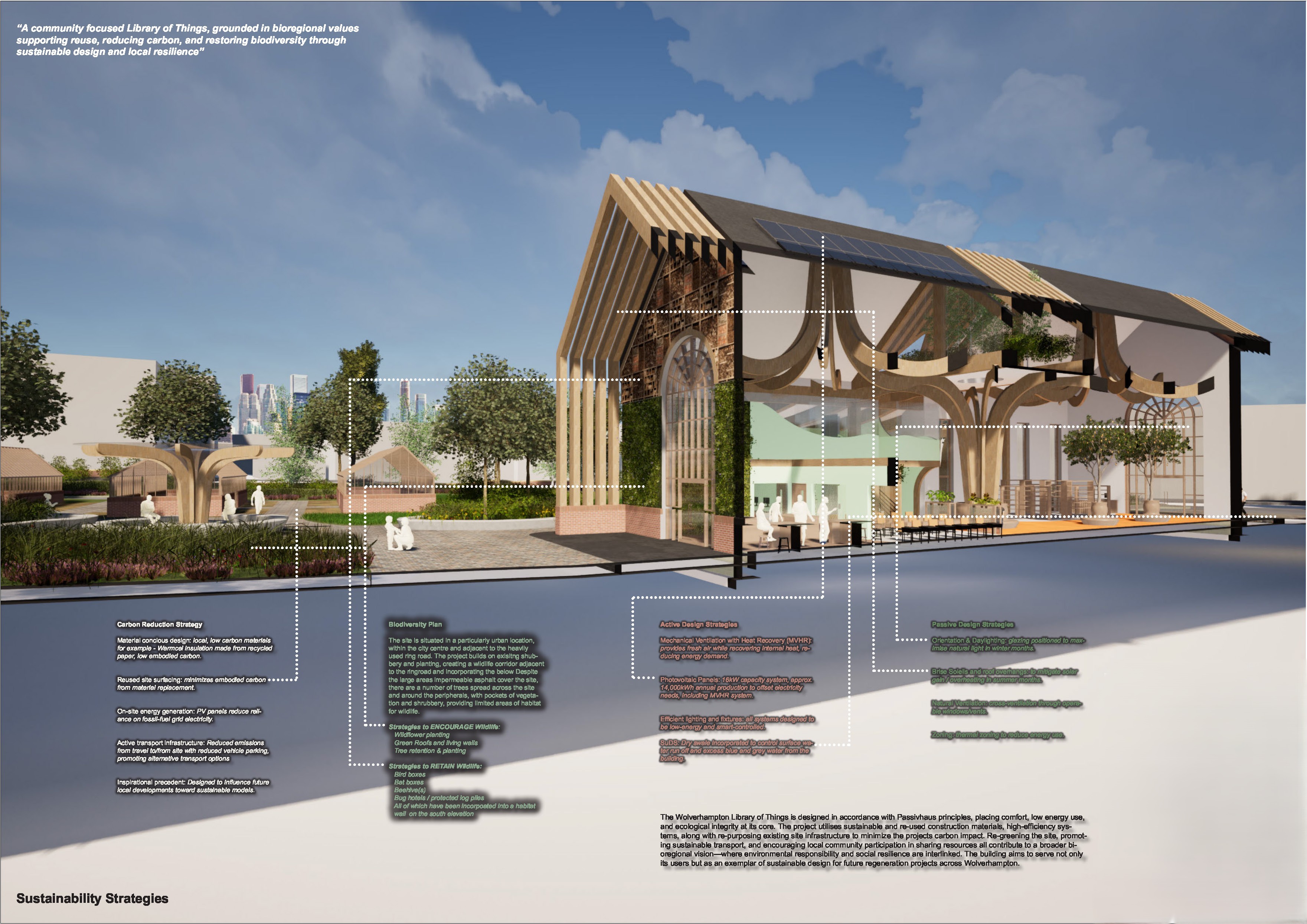
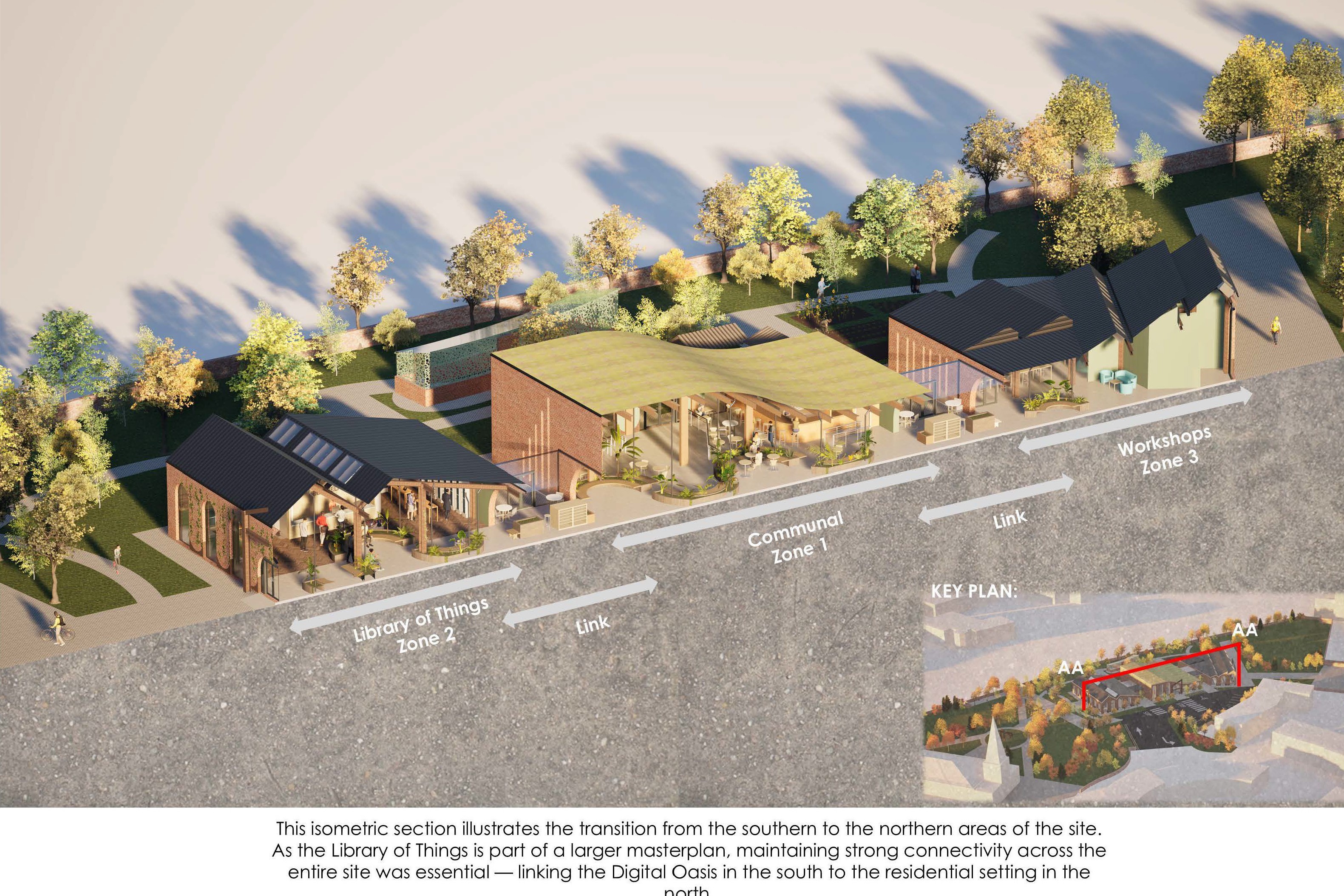
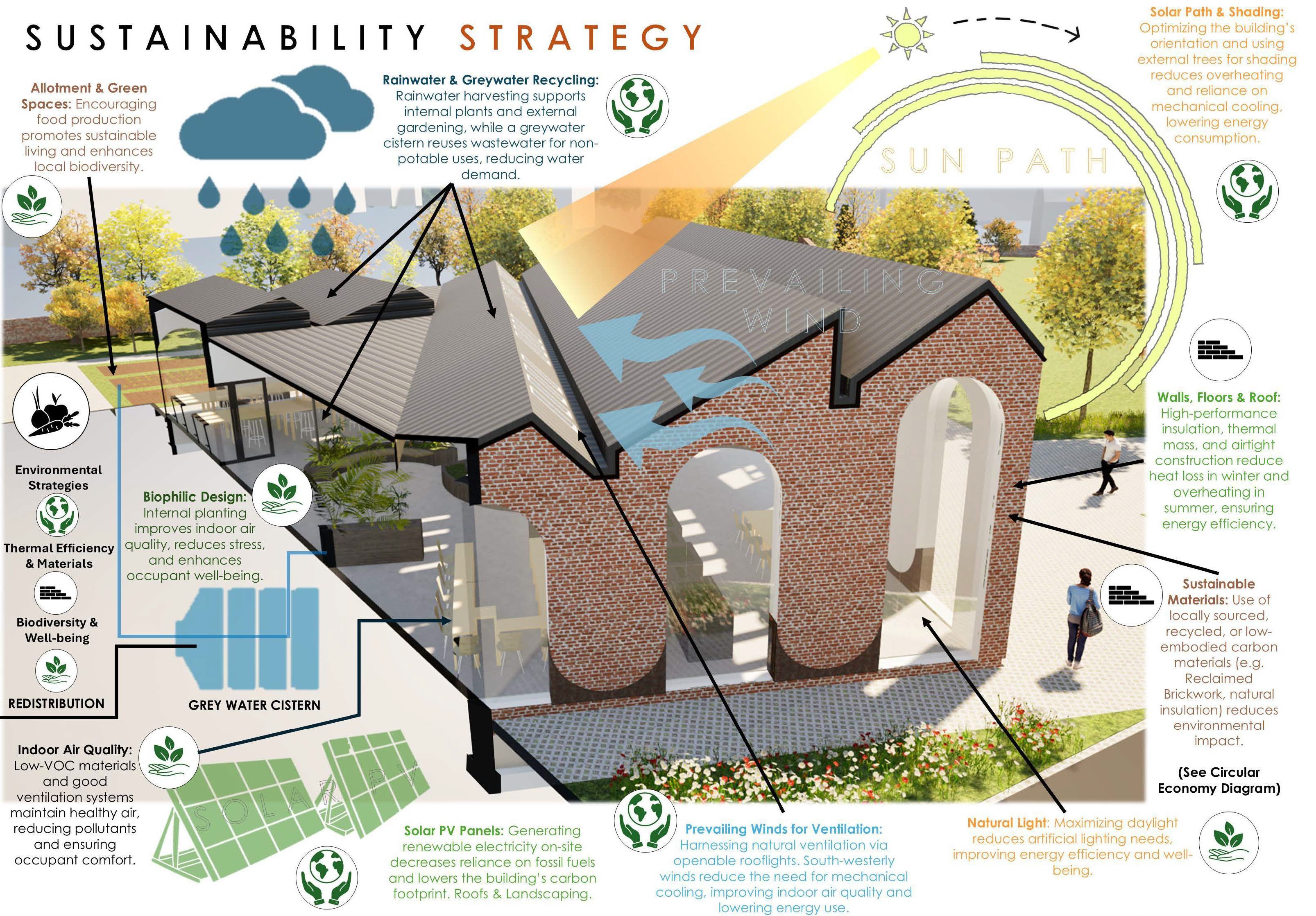
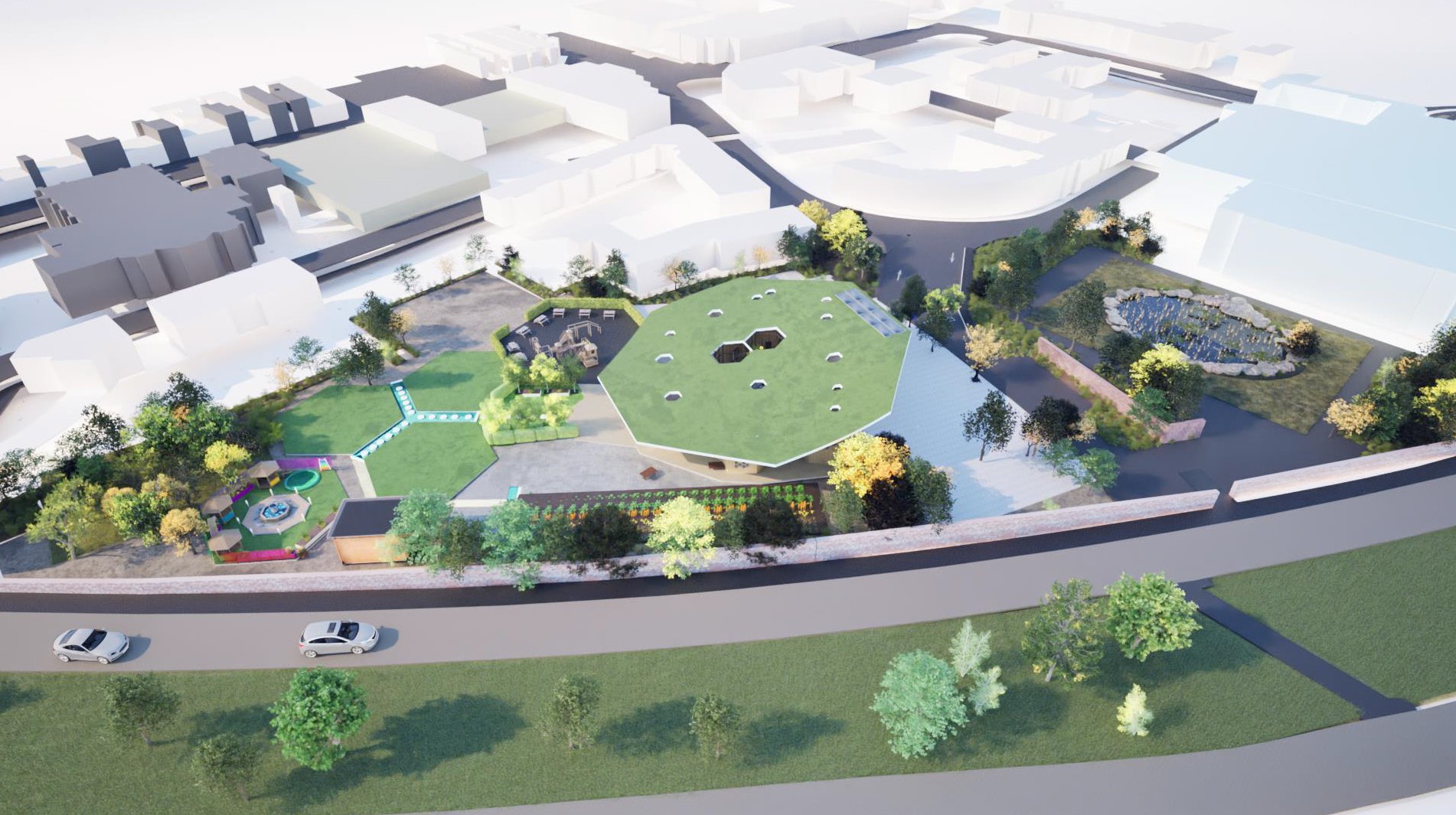
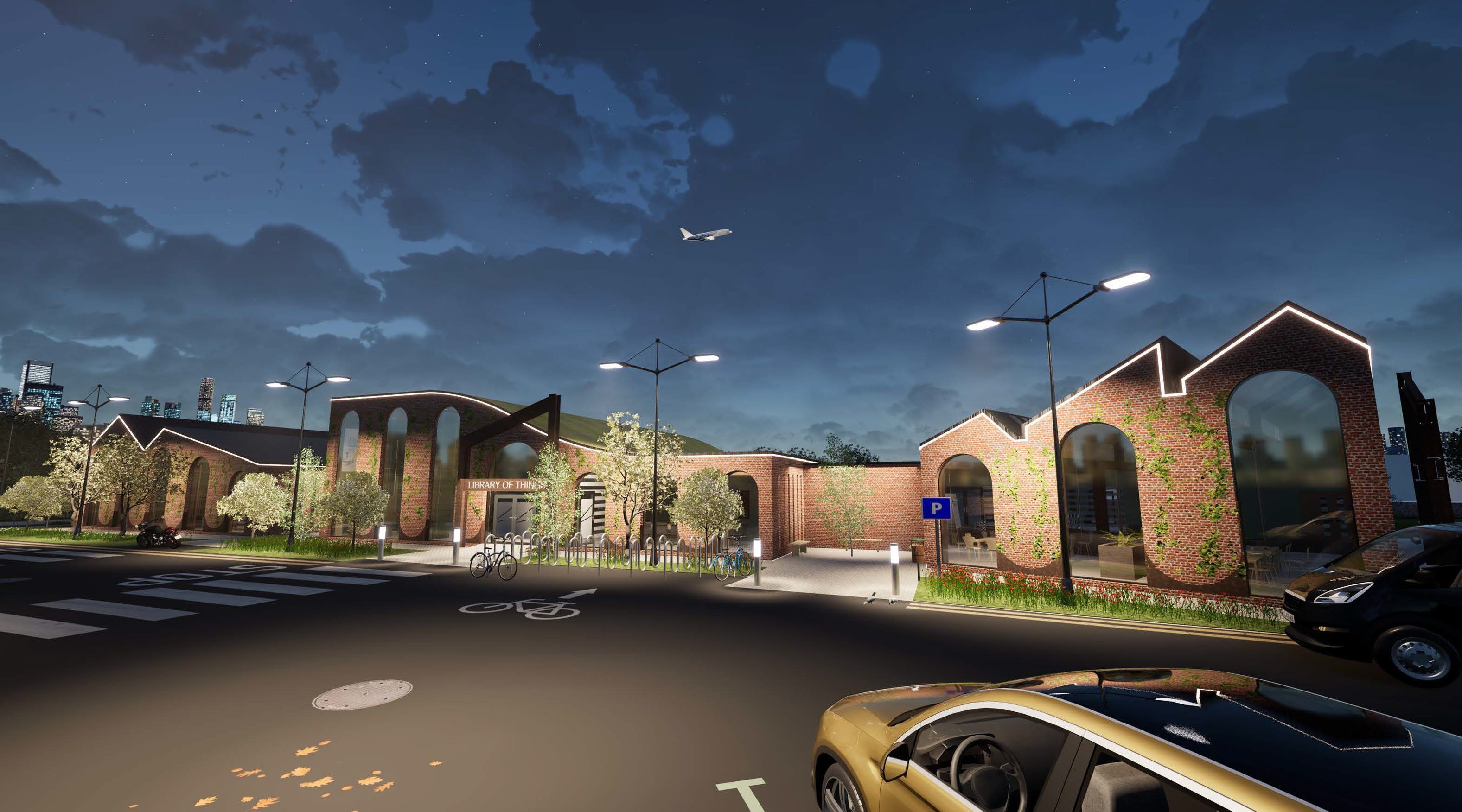
Graphic produced by an Architectural Design Technology studentSketch drawn by an Architectural Design Technology studentDesign created by an Architectural Design Technology studentDrawing created by an Architectural Design Technology studentSketch created by an Architectural Design Technology studentGraphic produced by an Architectural Design Technology studentGraphic created by an Architectural Design Technology studentGraphic made by an Architectural Design Technology studentSketch made by an Architectural Design Technology studentGraphic designed by an Architectural Design Technology student

What's unique about this course?

  • Architecture at the University of Wolverhampton is the best in the West Midlands.
  • Hands-on, technical, construction-oriented architectural technology education, supported by conceptual and design theory.
  • Experimenting with building technology, building science, sustainable design, retrofitting, and heritage conservation, not just "pretty architecture.
  • More than 15 career options, including architectural technologists, BIM coordinators, technical designers or other roles that bridge design and construction/engineering.
  • Utilisation of modern facilities, digital tools (BIM, AI, VR/AR), practical workshops and real-world application, supported by an academic and theoretical curriculum.
  • Professional recognition with an accredited qualification that supports chartered status (via CIAT/CABE), which helps with employability and career progression. 
  •  

What happens on the course?

Our structured practice-based curriculum builds your knowledge and skills year by year. You will participate in lectures, field trips, design studios, and practical workshops, preparing you for a career as an Architectural Technologist. 

In the first year, students build strong foundational skills by learning the core design process, developing abilities in drawing, modelling, and transforming ideas into spatial concepts. Core theoretical principles—such as material physics and the fundamentals of sustainable architecture—begin to shape their design thinking, while early studio projects encourage them to consider the needs of future users from the very first concept. Throughout the year, theory is linked to practice as students explore how sustainable choices influence real design outcomes, and they are introduced to the basics of health, safety, and regulatory compliance through hands-on industry-standard digital tools, materials and construction studies. 

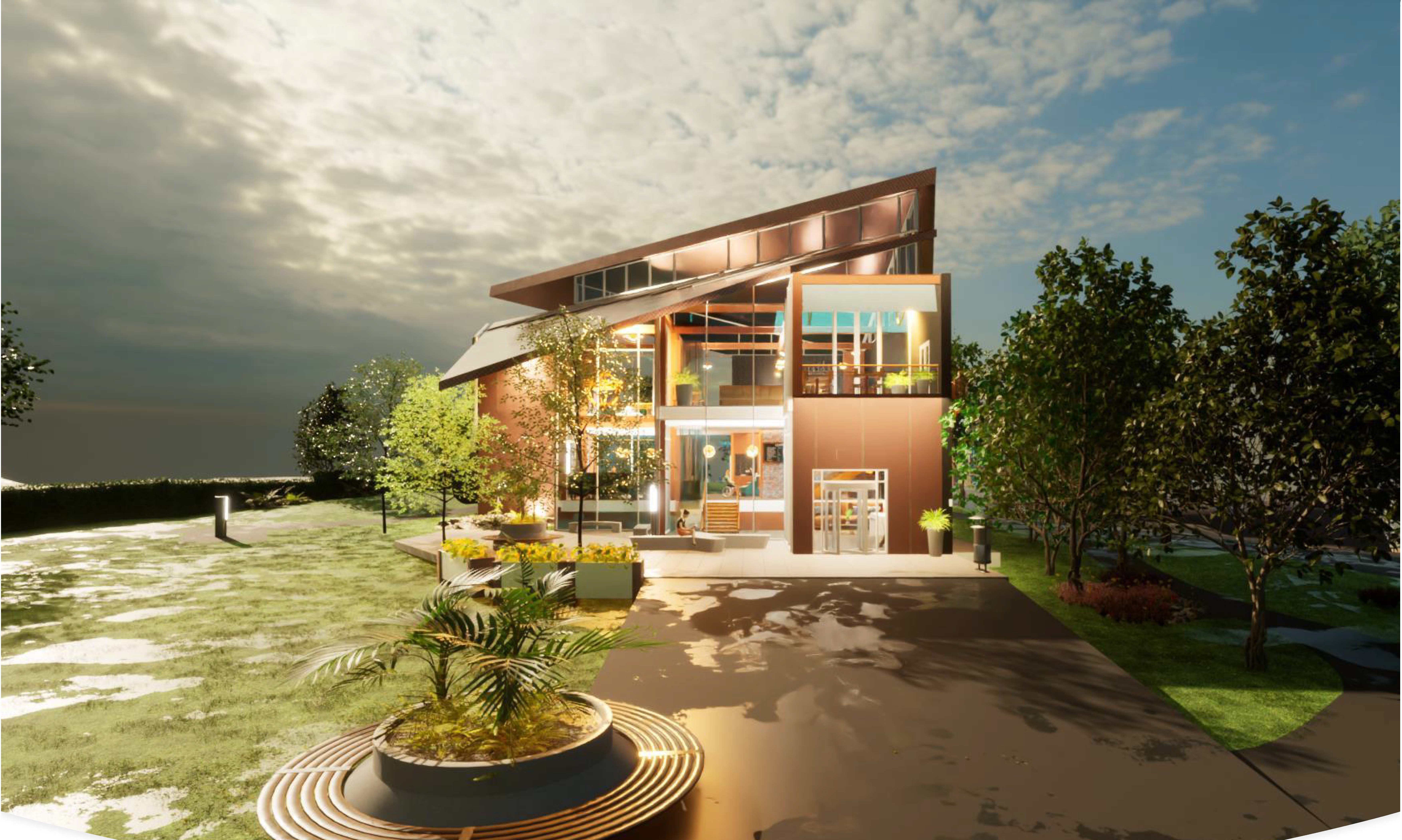
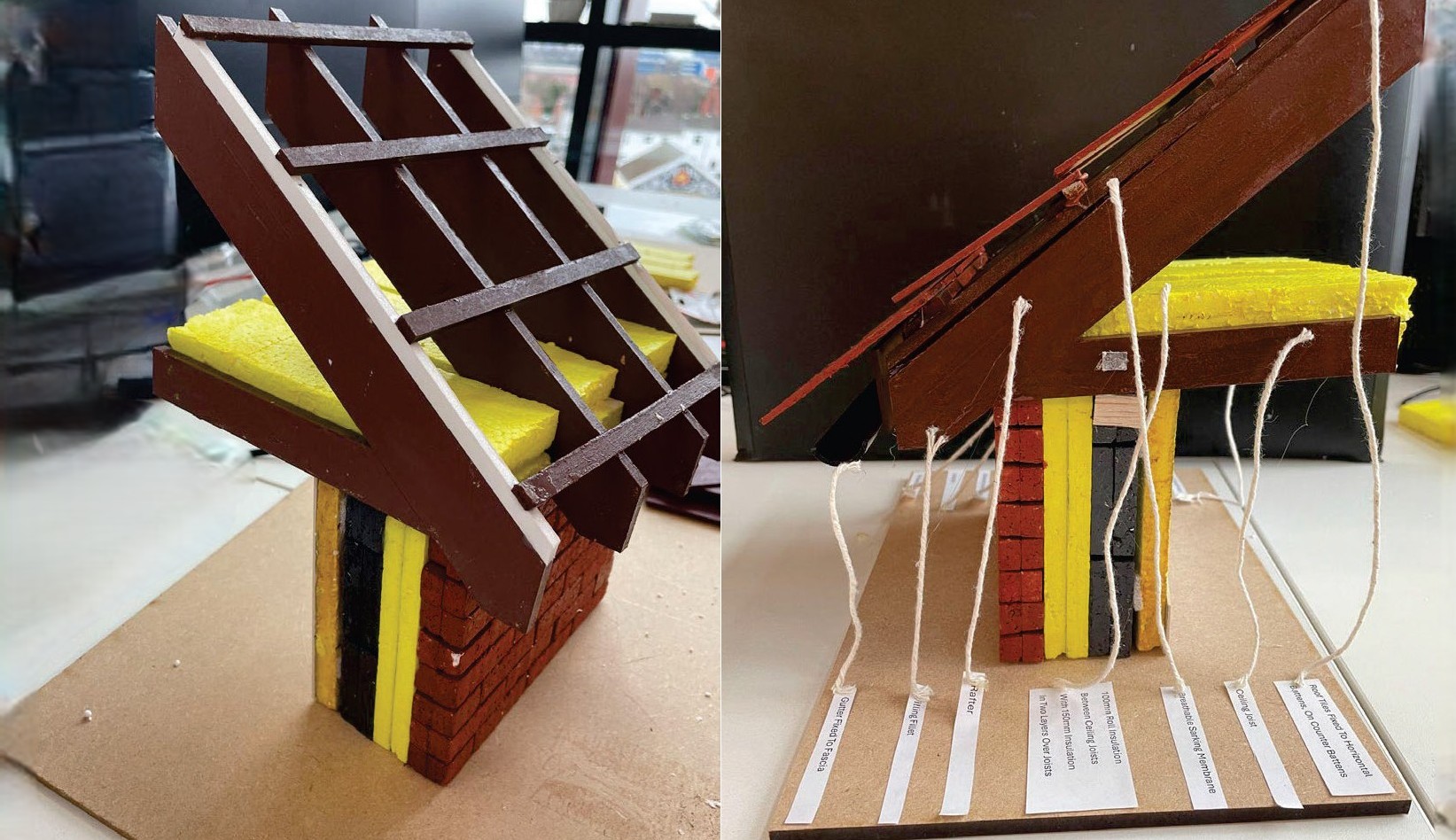
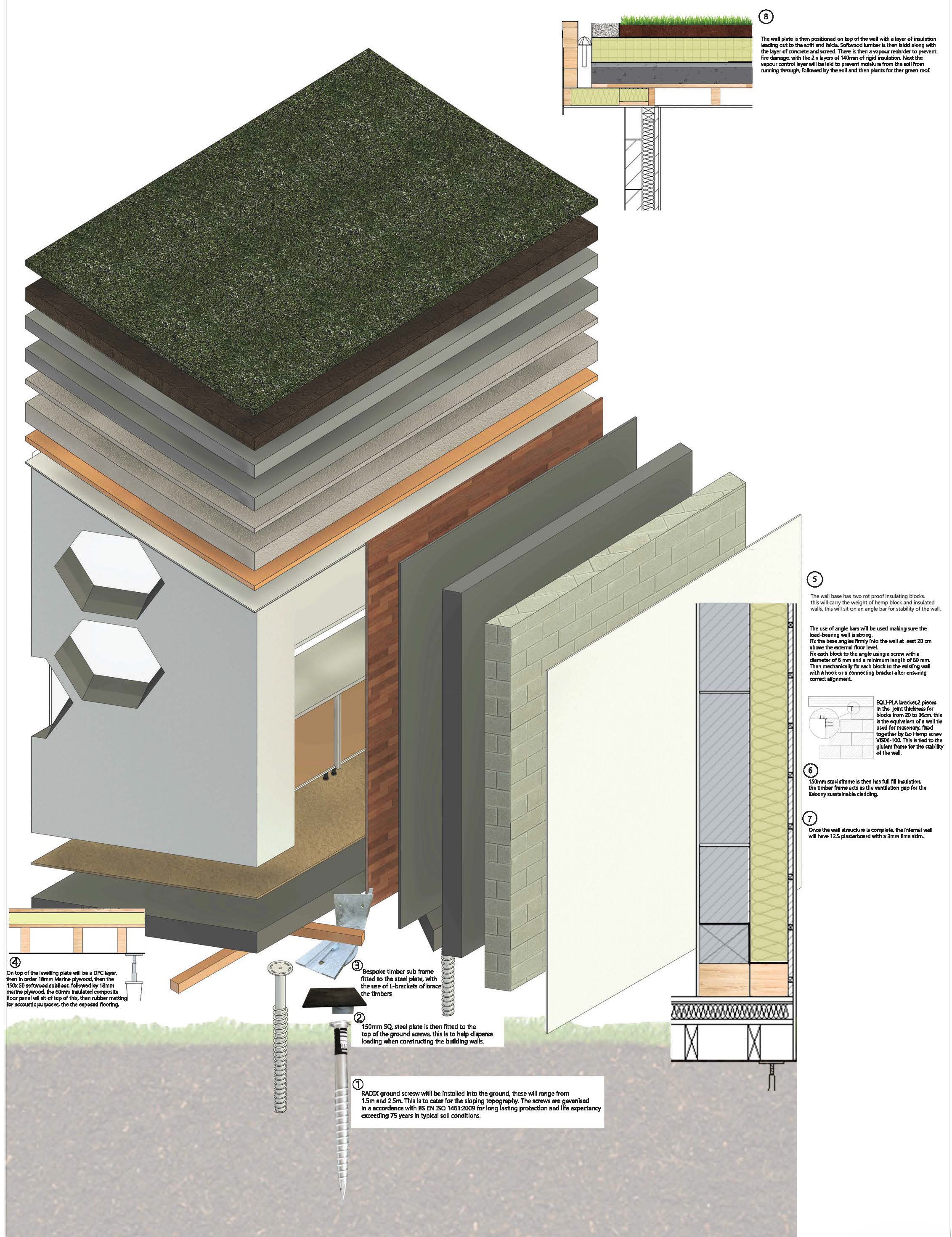
Graphic created by a first year Architectural Design Technology studentGraphic designed by a first year Architectural Design Technology studentSketch drawn by a first year Architectural Design Technology studentSketch created by a first year Architectural Design Technology studentModel built by a first year Architectural Design Technology studentSketch drawn by a first year Architectural Design Technology studentDesign created by a first year Architectural Design Technology studentDesign made by a first year Architectural Design Technology student

In the second year, students tackle more complex design challenges, applying their growing skills to real-world retrofit scenarios and learning to work within the constraints of existing buildings. Their technical abilities advance through detailed construction drawings, BIM workflows, and the study of innovative materials and advanced detailing. Design thinking becomes more explicitly focused on improving experiences for building users and, at the urban scale, for whole communities. Sustainability is explored through hands-on retrofit tasks that connect technical upgrades directly to human comfort and wellbeing. Alongside this, students gain a solid understanding of statutory frameworks, including planning law, building regulations, and fire safety requirements, preparing them for professional practice.

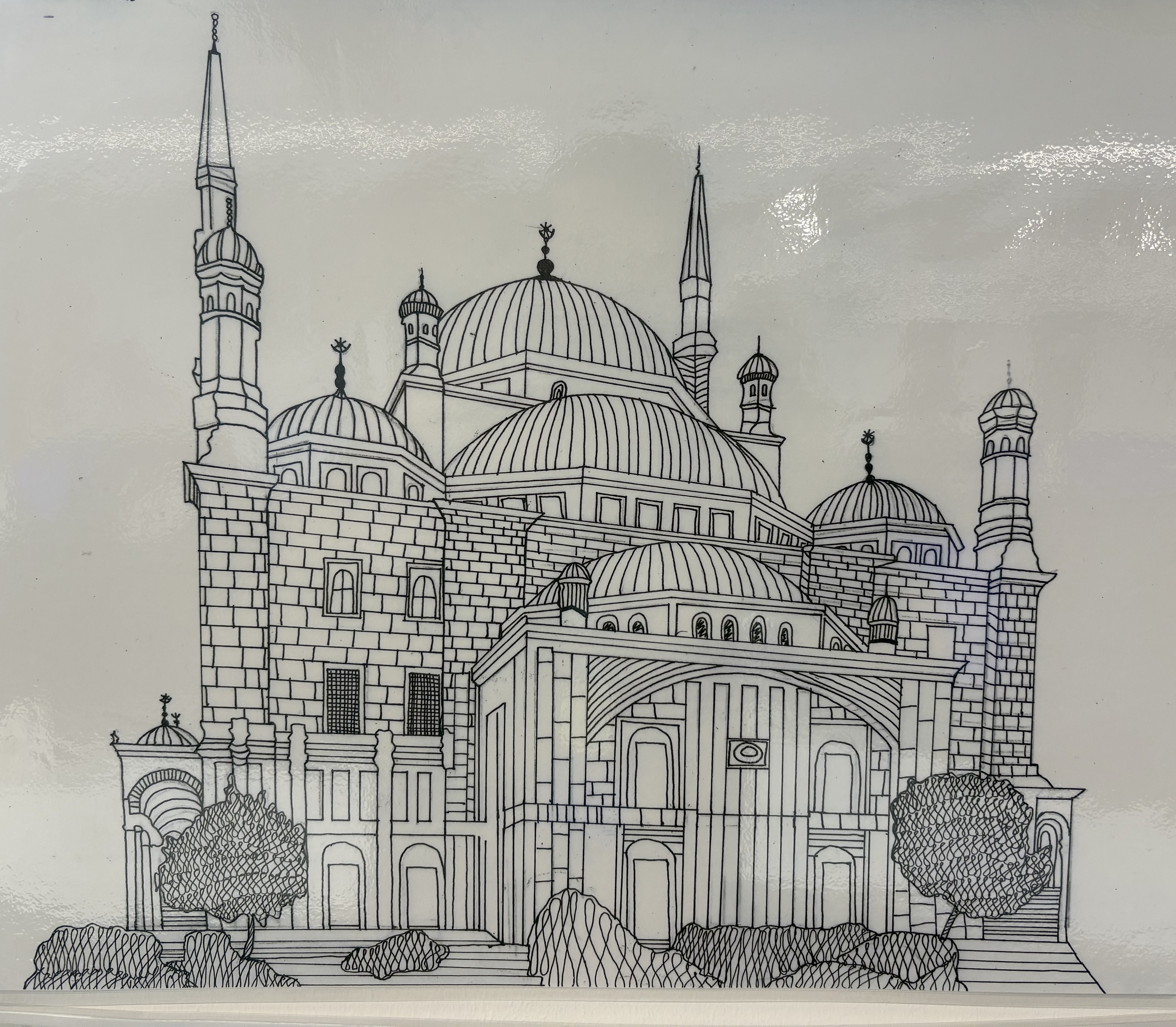
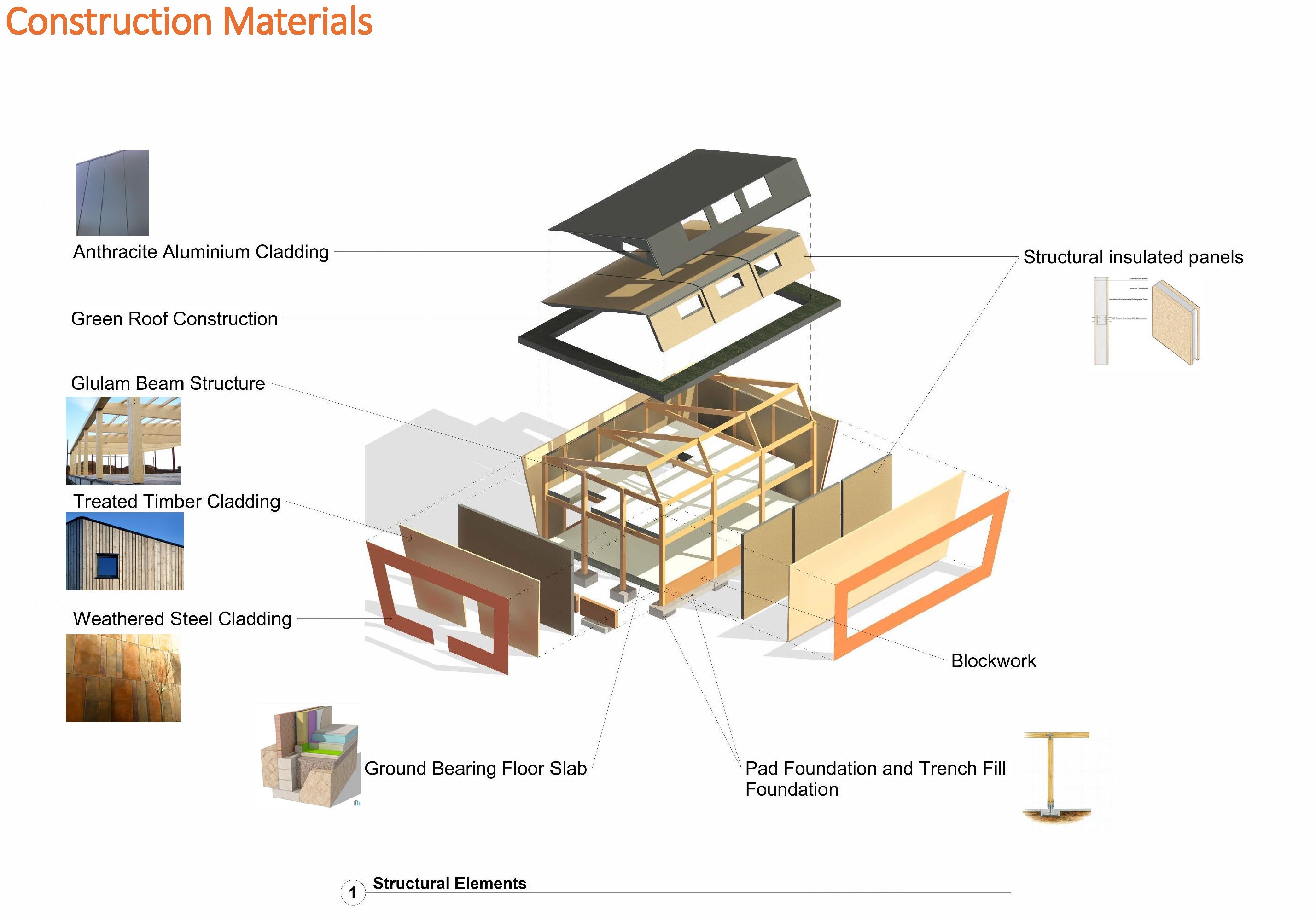
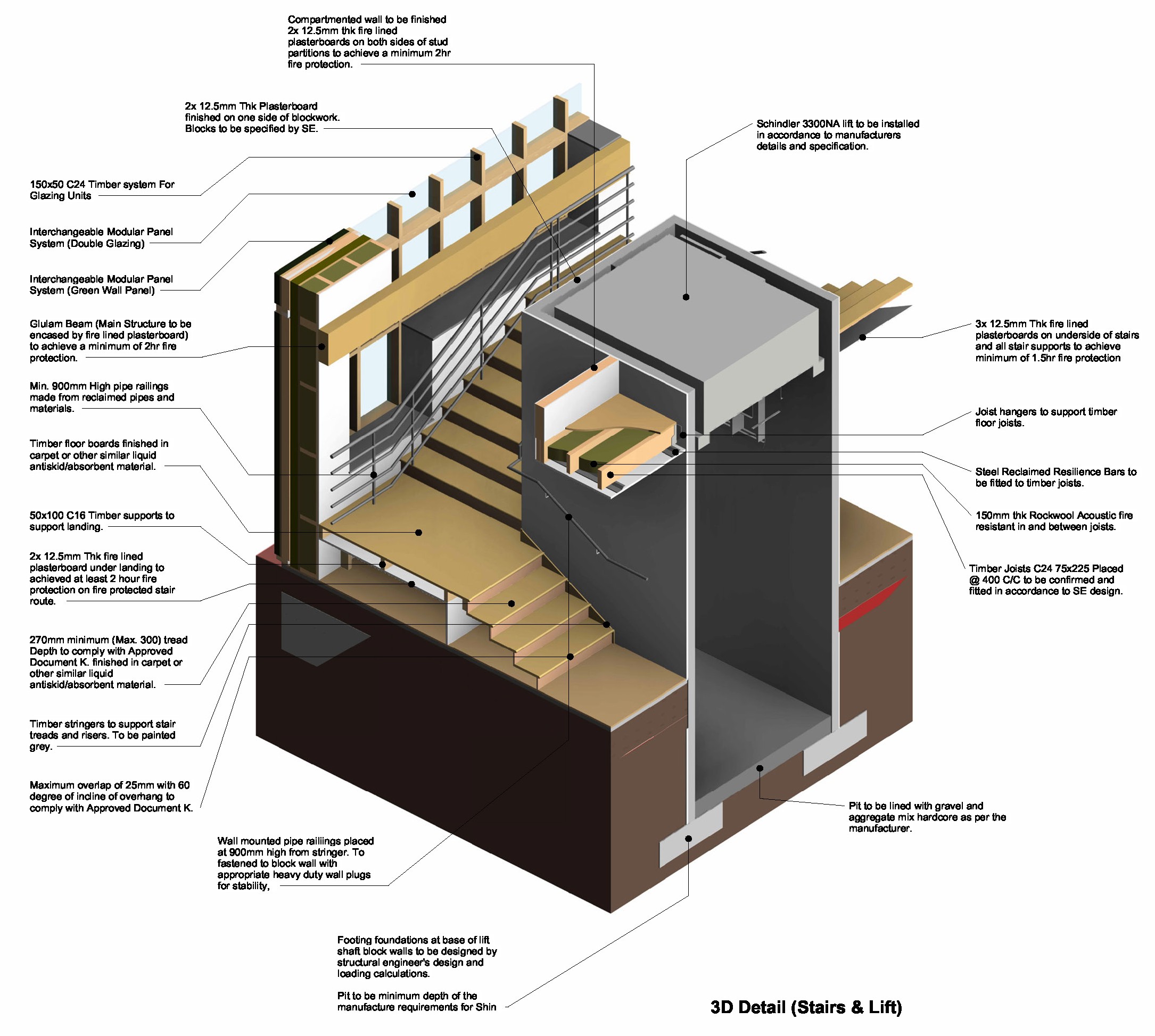
Graphic made by a second year Architectural Design Technology studentGraphic created by a second year Architectural Design Technology studentGraphic produced by a second year Architectural Design Technology studentSketch created by a second year Architectural Design Technology studentSketch produced by a second year Architectural Design Technology studentGraphic designed by a second year Architectural Design Technology studentSketch created by a second year Architectural Design Technology studentSketch produced by a second year Architectural Design Technology studentDiagram produced by a second year Architectural Design Technology student 

The third year is spent on a placement related to your studies. The placement provides an opportunity for you gain real world experience and put your academic learning into practice. During the placement you will be required to keep a log book of your experiences and this counts towards a dedicated academic module. Our work experience team in the University can support you in finding the placement in addition to helping with skills such as CV writing and whilst on placement you will be visited by a nominated tutor.

In the final year, students apply modern technologies to the specialised conservation of historic buildings while developing business, management and ethical skills; design work centres on user needs and the cultural stories of places, with sustainability woven holistically into every proposal. The year culminates in a major, holistic design project—demonstrating integrated research, conservation and sustainability—which is showcased at the end-of-year exhibition. Throughout, students sharpen professional responsibility, ensuring their decisions are heritage-sensitive and fully compliant with industry standards.

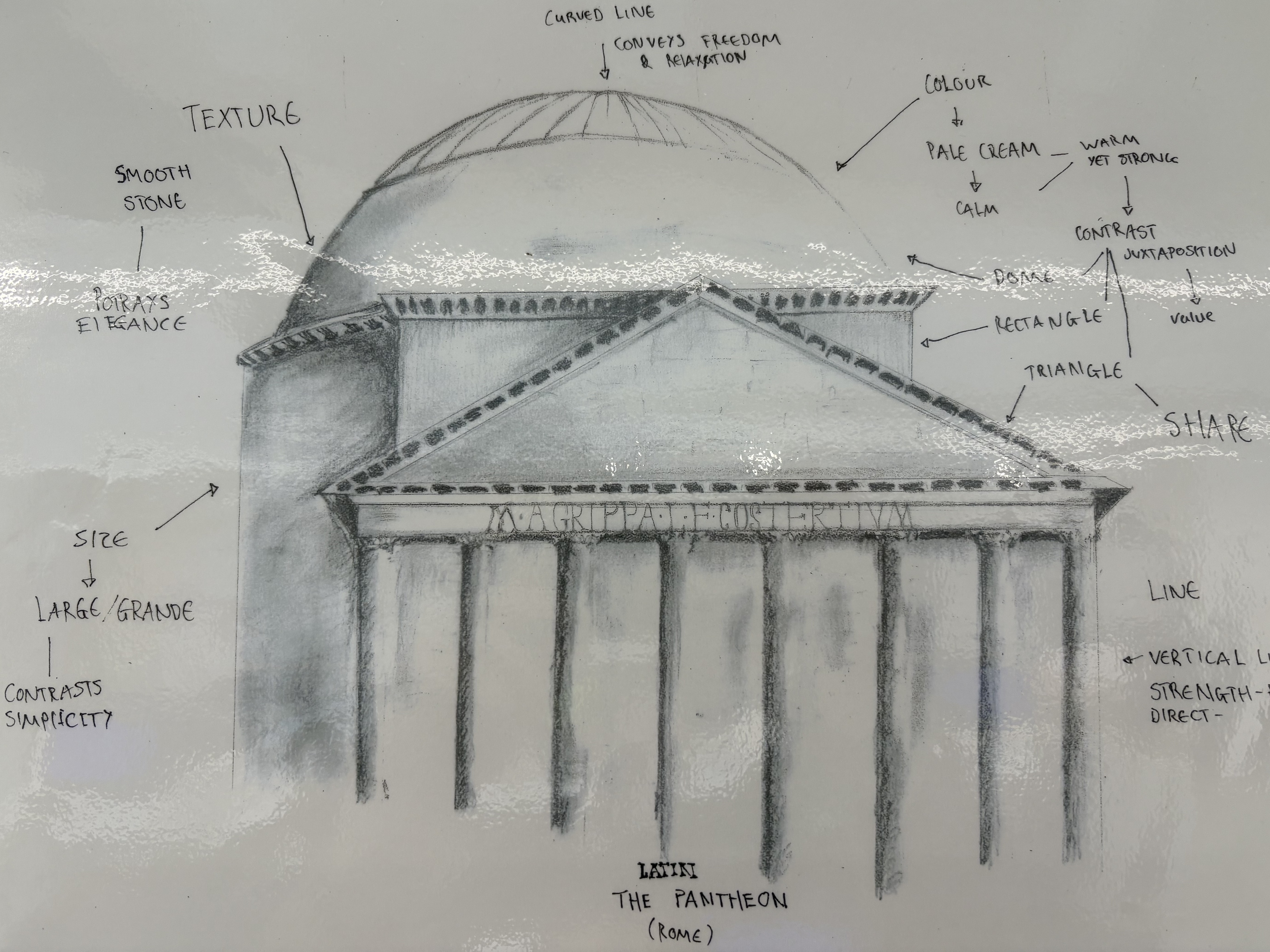
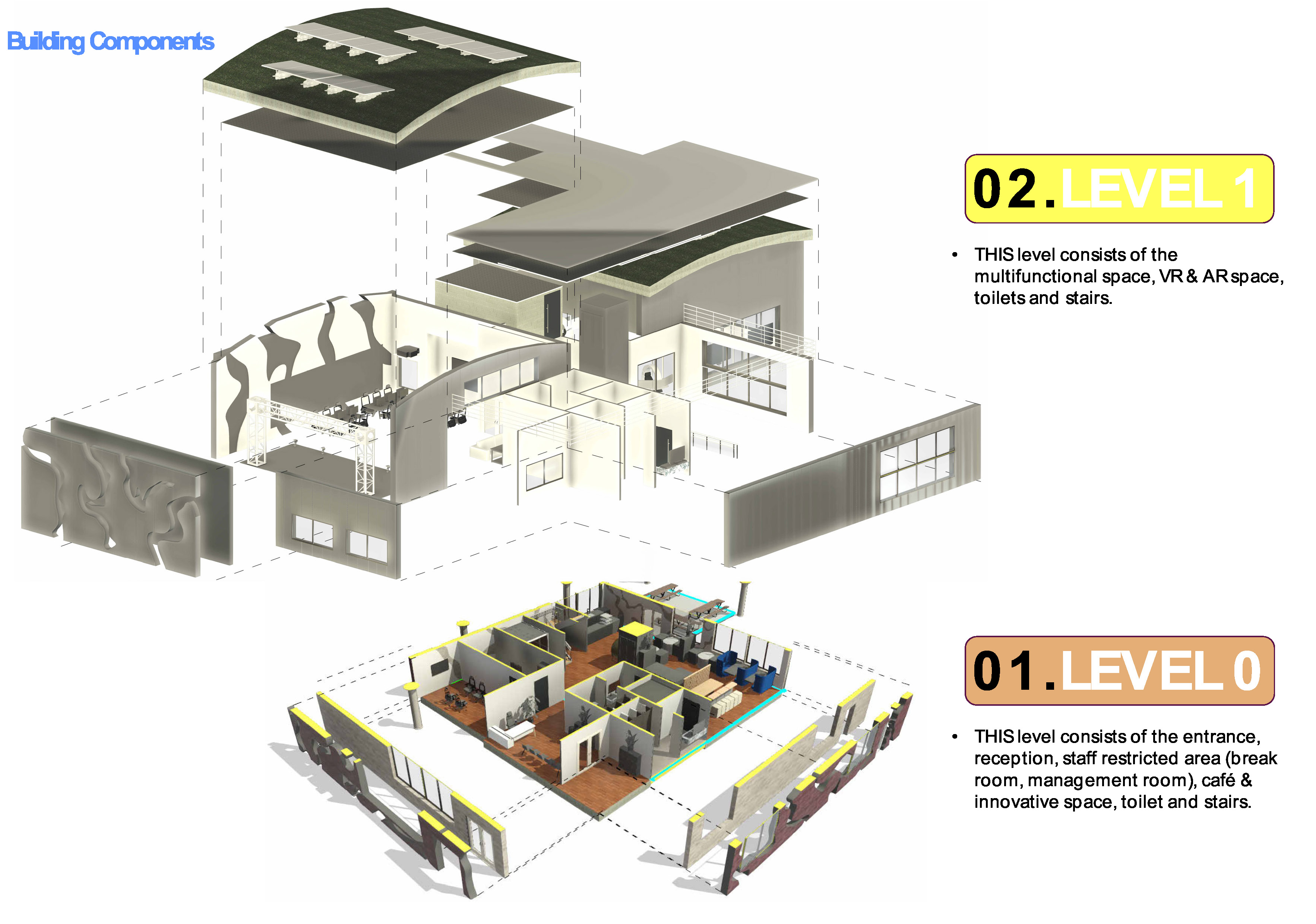
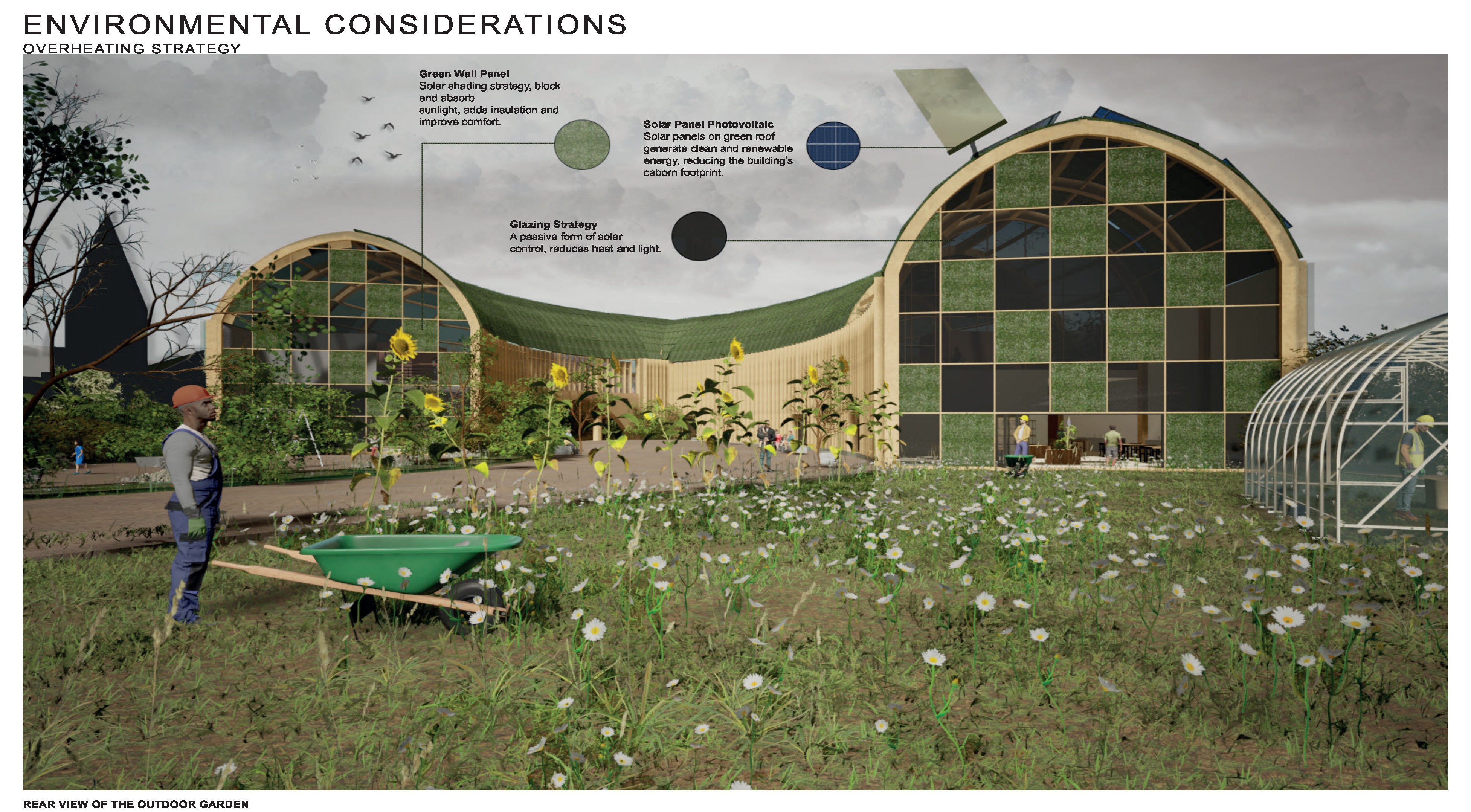
Diagram produced by a third year Architectural Design Technology studentDiagram created by a third year Architectural Design Technology studentDiagram made by a third year Architectural Design Technology studentGraphic created by a third year Architectural Design Technology studentGraphic developed by a third year Architectural Design Technology studentGraphic produced by a third year Architectural Design Technology studentGraphic made by a third year Architectural Design Technology studentVisual created by a third year Architectural Design Technology studentVisual produced by a third year Architectural Design Technology studentGraphic produced by a third year Architectural Design Technology student


Placements on the course

We’ve built professional placements into every degree, every student will be guaranteed a professional placement. Our placements give you the real-world exposure and proven experience your CV needs, while building the industry networks essential for your career.

These short-term, structured experiences include:

  • Short duration: condensed work-like experience in professional environments
  • Academic integration: always linked to coursework, assessments or professional development modules
  • Project-based learning: students work on specific tasks or research with an organisation
  • Flexible format: can be in-person, remote, hybrid or virtual
  • Skill development: enhances workplace skills like communication, teamwork and problem-solving
  • Experiential learning: helping to close the gap between knowledge gained and the skills needed to succeed

Employability on the course

Our courses are designed from day one to prepare you for your future career. You will benefit from:

  • Extended induction: a period to familiarise yourself with your new university
  • Structured learning pathways: courses are crafted with a focus on preparing students for future careers
  • Hands-on project experience: projects and practical activities designed around real-world activities
  • Embedded professional development: all courses are designed with workplace skills development and professional placements as part of the course
  • Industry-informed modules: course content is kept up-to-date with industry standards through our industry links, staff's research and work in the field
  • Placement opportunities: professional development placements for every student

Course Modules

Potential Career Paths

Lead the technical design of building projects from concept through to completion.

Manage and coordinate digital building models across project teams using Building Information Modelling tools

Produce detailed construction drawings and specifications that bring architectural visions to life.

Liaise between design and construction teams to ensure seamless project delivery.

Advise on building regulations, sustainability, and project feasibility.

Manage schedules, documents, and team communications in architectural projects.

Apply design knowledge to promote energy efficiency and eco-friendly building solutions.

Additional Information

Everything you need to know about this course!

Providing you with the technical knowledge and design flair to work in today’s ever-changing industry is our aim. Not only is this course accredited by CIAT but it is developed in close consultation with industry practitioners to meet professional standards and ensure it is up-to-date and meets the needs of the construction and property development sector.

Our Lecturers are a blend of respected academics and experienced professionals. We utilise a combination of teaching methods which match professional practice, including studio and drawing office sessions using the latest Computer Aided Design (CAD) software to develop your design work.

There's never been a more exciting time to join the School of Architecure and Built Environment. And you now have the opportunity to study in our new super-campus!

Springfield Campus

With Wolverhampton’s rich heritage and unique geographical position within the Black Country region, seen by many as the birthplace of the industrial revolution. You’ll have a unique opportunity to study in our £45 million SoABE Building, a 12-acre, Grade II listed former brewery. We’re one of the few universities in the UK to house multiple fully-functional industrial laboratories, as well as purpose-built facilities with access to latest visualisation technologies, design studios and equipment.

Not to mention our National Brownfield Institute (NBI) will also be located on our £120million Springfield Campus. The new £17.5 million building will be a world-class institute that focuses on developing modern methods of building through innovation and partnerships within the construction industry - meaning our collaborations with Local Authorities and Private Companies centers our students as part of this change.

And all of these state-of-the-art facilities are home to our Architecture and Built Environment students. See where you could be studying!

Take a look at our amazing campus.

On successful completion of the course, you will master the following key skills:  

1. Technical Design & Visualisation 

  • Advanced Digital Modelling: You won't just draw; you will visualise. Gain high-level proficiency in industry-standard CAD and design software to present complex schemes professionally.
  • Sustainable Specification: Learn to select materials and construction methods that aren't just effective, but economic and environmentally sustainable.
  • Creative Problem Solving: The ability to balance aesthetics with function. You will learn to deliver creative design solutions that look great while strictly adhering to technical performance standards. 

2. Professional Practice & Management 

  • Regulatory Fluency: Navigate the red tape with confidence. You will master the essential frameworks of the industry, including Design Procedures, Procurement, Contracts, and Building Regulations. 
  • Project Management: Understand the "business" of architecture. You'll develop skills in time management, cost analysis, and the ethical/legal responsibilities essential for running a project. 
  • Commercial Awareness: Learn to design for the market, understanding how to meet client needs and market demands realistically. 

3. Personal & Competitive Edge 

  • Resilience & Adaptability: Through live Design Competitions and regular critiques, you will build the confidence needed to thrive in a competitive industry. 
  • Critical Communication: Whether it's a verbal pitch or a written report, you will sharpen your ability to analyse problems and communicate your solutions clearly to clients and colleagues. 


What employers say about the skills of our graduates:  

"I am pleased to confirm that Nathan, a recent graduate in Architectural Technology from the University of Wolverhampton, has demonstrated strong professional ability during his time with us. Whilst acknowledging that he is still learning, he has shown a good understanding of architectural design principles, building regulations and technical detailing".  

Tony Sannio MCIAT, Associate Director of Glancy Nicholls Architects 


“The rigour and depth of knowledge gained through her studies are now clearly reflected in the quality and precision of her professional output. Esha consistently approaches project challenges with a high level of technical competency and meticulous attention to detail. Her dedication ensures that we are not only meeting project deadlines but exceeding them with technically sound and well-considered solutions". 

Gagan Mohindru , Founder & Managing Director ADM Studio Ltd | Architecture - Design - Management 

Location Mode Sep intake Fee Year
Home Sandwich £9535 per year 2025-26
International Sandwich £15995 per year 2025-26

Additional Course Costs

Voluntary trips
Trip to House of Commons and other estate buildings Student pays (train tickets circa £75)

Further information on these additional costs will be provided prior to the start of your studies

The University is committed to a transparent fee structure, with no hidden costs, to help you make an informed decision. This includes information on what is included in the fee and how fees are calculated and reviewed.


If a tuition fee is not showing, we may not offer this intake for this course. Please check the start date information on the course finder for start dates.

GCSE English and Maths at grade C+/4 or an accepted equivalent.

PLUS EITHER

  • 96 UCAS Points
  • CCC from A Levels or equivalent
  • BTEC QCF Extended Diploma grade MMM, BTEC QCF Diploma grade DD
  • T Levels with an overall grade of Pass and a minimum grade of C in Core.
  • If you've got other qualifications or relevant experience, please contact The Gateway for further advice before applying.
  • International entry requirements and application guidance can be found here

Other Requirements

Students must have studied a minimum of two years post GCSE level. However, it is expected that some applicants will be mature students with work experience, who wish to further their career development. These applicants will be processed through standard procedures, which may involve an interview as part of the process. Please see http://wlv.ac.uk/mature for further information.

Joel Woodward 
2025 CIAT Report of the Year Award Winner 
Architectural Technologist - Weedon Architects 
"I chose Architectural Technology because I've always been fascinated by how the artistic and technical sides of buildings work together to create meaningful spaces for human interaction. Architectural Technology strikes the perfect balance between creative design and the practical realities of how buildings are assembled, perform, and impact their surroundings.  
One of the things I enjoyed most throughout the course was the access to industry standard technology and specialist equipment. The studio environment was another major highlight as it encouraged collaboration, open discussion, and the sharing of ideas, which helped me grow both creatively and professionally. Learning in a space that reflected real industry practice made the experience engaging and helped build strong teamwork skills essential for the built environment. The course has equipped me with a strong mix of technical, creative, and collaborative skills that are essential in industry.” 

Esha Khan 
Architectural Technologist - ADM Studio 
“My interest in architecture started in my early teens. I was always drawn to extraordinary buildings, not just because of how good they looked, but because I had a passion for learning how the buildings were actually built. I wanted to understand the process behind it and to be able to say, ‘this is how it was designed and constructed.’ That’s what led me to pursue a course in Architectural Technology. The course didn’t just teach me how to be creative with a concept; it also helped me understand how a building is technically put together in real-life scenarios. I learned about choosing suitable materials, evaluating environmental performance, producing construction details that show how different elements connect, and making sure everything meets the legal requirements”.  

Daniel Hawkins  
Graduate Engineer - Wintech  
"Taking Architectural Design Technology really built on my love for 3D modelling and gave me the professional foundation I was looking for, especially with its CIAT accreditation. The course pushed me beyond just the software and taught me how to bring ideas to life through physical models and VR projects. It helped me understand the purpose behind my design choices and gave me the confidence to explain and defend them in a professional setting. All whilst providing the exposure and freedom to explore different software and ideas." 

Ryan Kumar 
Lead Architectural Designer - ATCO Studio, London 
“The reason I chose Architectural Design Technology is due to the fascination I had growing up how buildings are constructed. The things I enjoyed learning were real life applications for tools we can use/introduce to who we work with in the future. The cutting edge and new softwares we learned really made me feel like I am learning something upcoming and applicable to real world to make a positive change. For me, Architectural Technology is a key part of the built environment, fusing design with practicality”.  

Nathan Millward 
Architectural Technologist - Glancy Nicholls Architects 
“The course appealed to me because it covered all sides of architecture, from historical to modern day technologies. It was great to experience both, visiting historic buildings to learn about traditional building techniques, and then looking into more modern sustainable building practices.  
The software and drawing techniques have been my favourite part to learn. They’re how we communicate our design proposals, so it was great to learn how to present them in different formats. 
AI is inevitably going to be part of the future, and it was great to see the course embrace this rather than shy away from it. Learning tools like Midjourney was beneficial and it shows the course is keeping up with industry practices”. 

Chartered Association of Building Engineers (CABE)

Accredited by the Chartered Association of Building Engineers (CABE).

Chartered Institute of Architectural Technologists (CIAT)

"Accredited by the Chartered Institute of Architectural Technologists (CIAT), and demonstrates that the programme has been assessed in terms of content, structure and resources and has met the required educational standards. Graduates from an Accredited programme will receive full academic exemptions from the professional qualification when progressing to Chartered Architectural Technologist status."

Tuition Fees Loan (Home Fee Status):

Most students will be able to apply for a loans to pay for these subject to eligibility. To find out more information please refer to the government Student Finance website.

Changes for EU students:

The UK government has confirmed that EU students starting courses from 1 August 2021 will normally be classified as having Overseas Fee status. More information about the change is available at UKCISA:

EU citizens living in the UK with 'settled' status, and Irish nationals living in the UK or Ireland, will still be classified as Home students, providing they meet the usual residency requirements, for more information about EU Settlement Scheme (EUSS)


Self-funding:

If you don’t want to take out a loan to pay your fees or if you aren’t eligible to receive a loan, you might want to take advantage of the University’s scheme to pay by instalments: See How to pay.

For more information please contact the Gateway.


Your employer, embassy or organisation can pay for your Tuition fees:

If your employer, embassy or organisation agrees to pay all or part of your tuition fees; the University will refer to them as your sponsor and will invoice them for the appropriate amount.

We must receive notification of sponsorship in writing as soon as possible, and before enrolment, confirming that the sponsor will pay your tuition fees.


Financial Hardship:

Students can apply to the Dennis Turner Opportunity Fund.

for help with course related costs however this cannot be used for fees or to cover general living costs.


Bursaries and Scholarships:

In addition the University also offers a range of Bursaries and Scholarships packages

You can find more information on the University’s Funding, cost, fee and support pages.

Telephone

01902 32 22 22

Email

enquiries@wlv.ac.uk

Online

Order a prospectus

How we compare

Find out how our course is rated on Discover Uni, the official website for comparing UK higher education courses.

Find out how our course is rated on Discover Uni, the official website for comparing UK higher education courses.

Sandwich Course