School of Architecture, Computing and Engineering

MArch Architecture

MArch Full-time 2 years, Part-time 3 years

An ARB Part 2 accredited, RIBA candidate MArch Architecture degree. Build bold, sustainable design skills through studio-led learning at our purpose-built Springfield Site.

An ARB Part 2 accredited, RIBA candidate MArch Architecture degree. Build bold, sustainable design skills through studio-led learning at our purpose-built Springfield Site.

Award
MArch
Start date(s)
14 September 2026
Course specifications
Course length
Full-time (2 years),Part-time (3 years)
Campus location
University: Springfield Campus

Why choose this course?

7th in the UK for Architecture, Building and Planning (Daily Mail University Guide 2027)

The MArch Architecture course at the University of Wolverhampton is a two-year full-time (or three-year part-time) postgraduate degree, prescribed by the Architects Registration Board (ARB) at Part 2 level and holding RIBA Candidate Course status. The course is ranked 7th in the UK for Architecture, Building and Planning (Daily Mail University Guide 2027), placing it firmly among the country's leading Part 2 providers.

This is a course built for students who want to do more than pass a professional exam. Across your studies you'll develop a comprehensive, studio-tested understanding of architectural design, technology, urban theory and professional practice — with every project rooted in the real challenge of regenerating existing places rather than starting from a blank site.

You'll be taught by practising industry professionals who bring live briefs, current design thinking and emerging technology directly into the studio, backed by tailored one-to-one support that carries you from your first design review through to your Part 2 portfolio and beyond.

At a glance

  • ARB Part 2 accredited — a requirement for UK architectural registration
  • RIBA Candidate Course status (awarded following the December 2024 Exploratory Visiting Board)
  • Flexible study: full-time (2 years) or part-time (3 years), so you can study around work
  • Studio-based, practice-led teaching delivered by industry-active tutors

Visit our blog for more on our team, facilities and courses.

MArch Architecture is accredited by the Architects Registration Board (ARB) and is a candidate course for Royal Institute of British Architects (RIBA) accreditation.

ARB logoLogo for Royal Institute of British Architects

Strengthen your design capabilities

This Master of Architecture course meets the requirements of ARB (Architect’s Registration Board) and undergoes a regular formal review process to ensure the quality and relevance of the programme. As of December 2024, the RIBA Exploratory Visiting Board recommended granting Candidate Course Status to the ‘Part 2 - Master of Architecture (MArch)'

The MArch Architecture Master’s will strengthen the design side which is currently running only at the undergraduate level. This course builds on existing undergraduate provision and will give exemption (subject to external validation) to Part 2 RIBA qualification procedure and in the future, to Part 3.
What's unique about this course?

Wolverhampton doesn't teach architecture as an abstract discipline — it teaches it as a live tool for regenerating a real, post-industrial city, shaping everything from your studio briefs to the building you study in.

Industry-embedded from day one

Every studio is shaped by employer-led briefs and direct contact with practice, not simulated projects. You'll take part in speed-recruitment events, employer breakfasts, design away-days, guest lectures and site visits — with tutors who bring current design thinking and emerging technology straight from practice into the studio.

A dedicated climate-action project

Futureproof Week is a vertical, interdisciplinary project week where you join students from every year of the course to tackle real climate challenges — sustainable design, retrofit innovation and low-carbon solutions applied to live, community-focused sites.

Purpose-built for architecture

Studios, workshops and fabrication facilities are based at our Springfield Site — a specialist Architecture and Built Environment campus, giving you your own personal workspace and computer, plus everything from traditional modelmaking to advanced digital fabrication under one roof.

Small cohorts, genuine pastoral support

Small class sizes mean personalised tutors and accessible academic staff who know your work and your goals, with tailored one-to-one guidance on professional growth, wellbeing and Part 3 readiness built into the course.

In short:

  • Futureproof Week — a whole-school, live-brief climate project unique to Wolverhampton
  • Employer-embedded briefs and events — speed-recruitment, breakfasts, away-days, site visits
  • Practitioner-led studios — tutors active in practice, not just academia
  • Springfield Site facilities — dedicated studios, personal workspace and fabrication workshops
  • Small-cohort, personalised support — from studio tutoring through to Part 3 preparation
  • Specialist CPD and masterclasses in emerging technology, sustainability and digital design

What happens on the course?

The course builds on Wolverhampton's position at the heart of the Black Country — widely regarded as the birthplace of the Industrial Revolution — and turns that heritage into your design laboratory. Rather than designing on a blank canvas, you'll learn to read, challenge and reimagine an existing, occupied urban fabric, with sustainability and regeneration as the thread running through every project.

Year One: building your design language

Your first year is led by two major design studios, run alongside a technical and research strand that prepares you for independent thesis work in Year Two.

  • Develop an advanced understanding of urban-scale design, producing professional analysis, original proposals and polished communication of your own urban design projects
  • Work with historic and listed buildings, balancing preservation and conservation philosophy against the competing needs of communities and development pressure
  • Gain hands-on skill in digital scanning technology and BIM processes, applied specifically to historic-environment contexts
  • Build a systematic grasp of architectural structures, construction and environmental strategy, including the regulatory requirements behind them
  • Develop the research and professional skills you'll need to design and carry out independent postgraduate research, culminating in a research proposal ready for Year Two

Year Two: independent research into design

Your second year shifts from taught studio to self-directed, Part 2-level independence, with your own research feeding directly into your final design project.

  • Undertake a substantial Architectural Theory Thesis — independent written research into a specialist topic of your choosing, engaging with construction, art and built-environment issues
  • Translate that theoretical work into built form through your Design Thesis, a comprehensive design project responding to a brief you select and the team approves
  • Strengthen your grip on professional practice — legal frameworks, programmes of work, procurement routes and contract administration — through the Architectural Profession in Society module
  • Present your work at formative, panel-style reviews throughout, giving you the critique-and-revise rhythm you'll need as a working architect

How it's taught

Teaching is delivered through studio-based design projects, technical seminars and one-to-one tutorials, supplemented by exhibition visits, city tours and field trips (in the UK and abroad) that widen your frame of reference. Part-time students (3 years) cover the same modules and outcomes as full-time students, with the workload spread to fit around professional commitments — you'll receive a Year Two briefing at the end of Year One so you can use the summer to prepare.

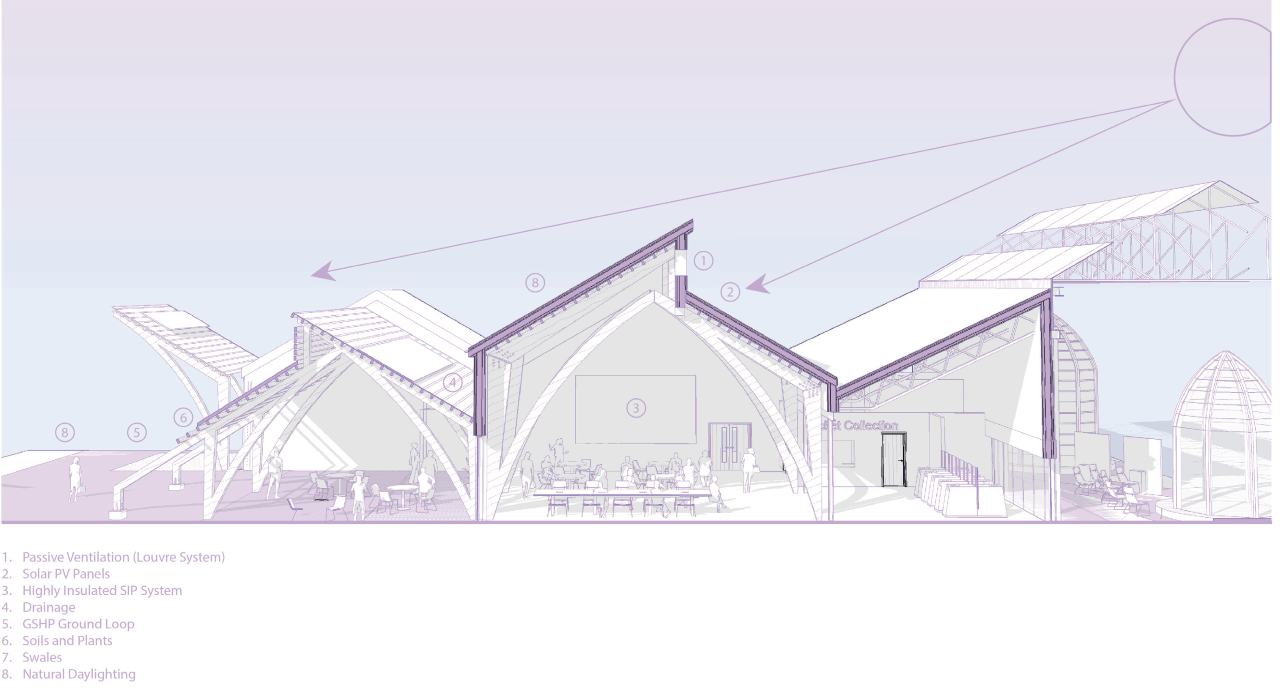
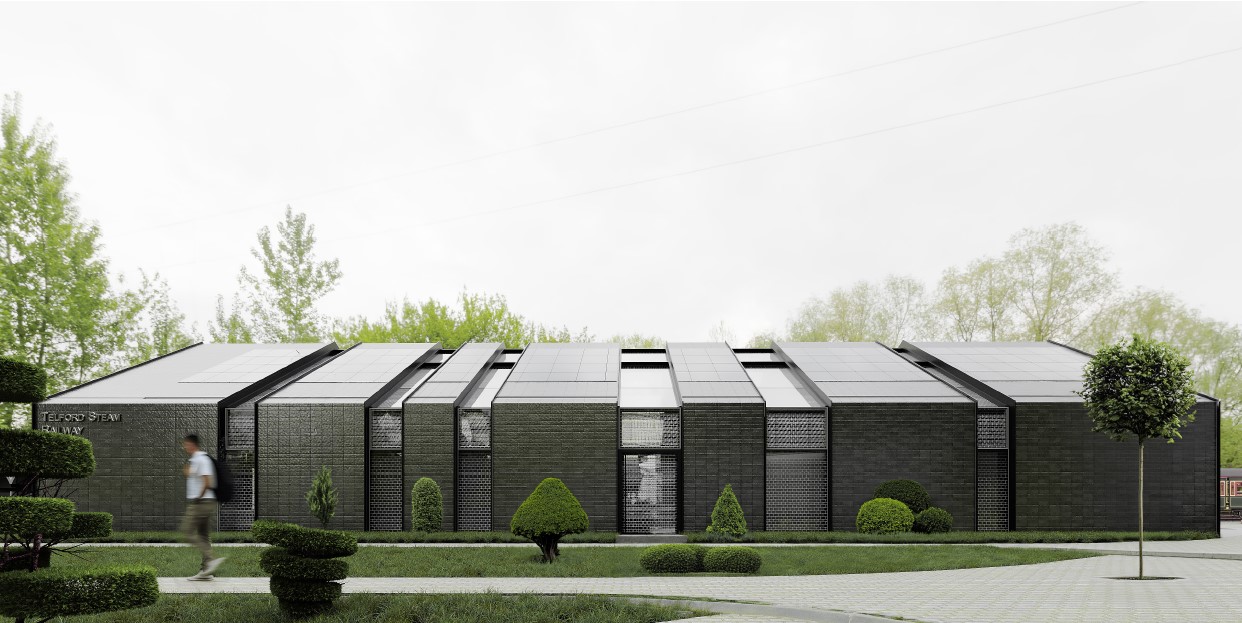
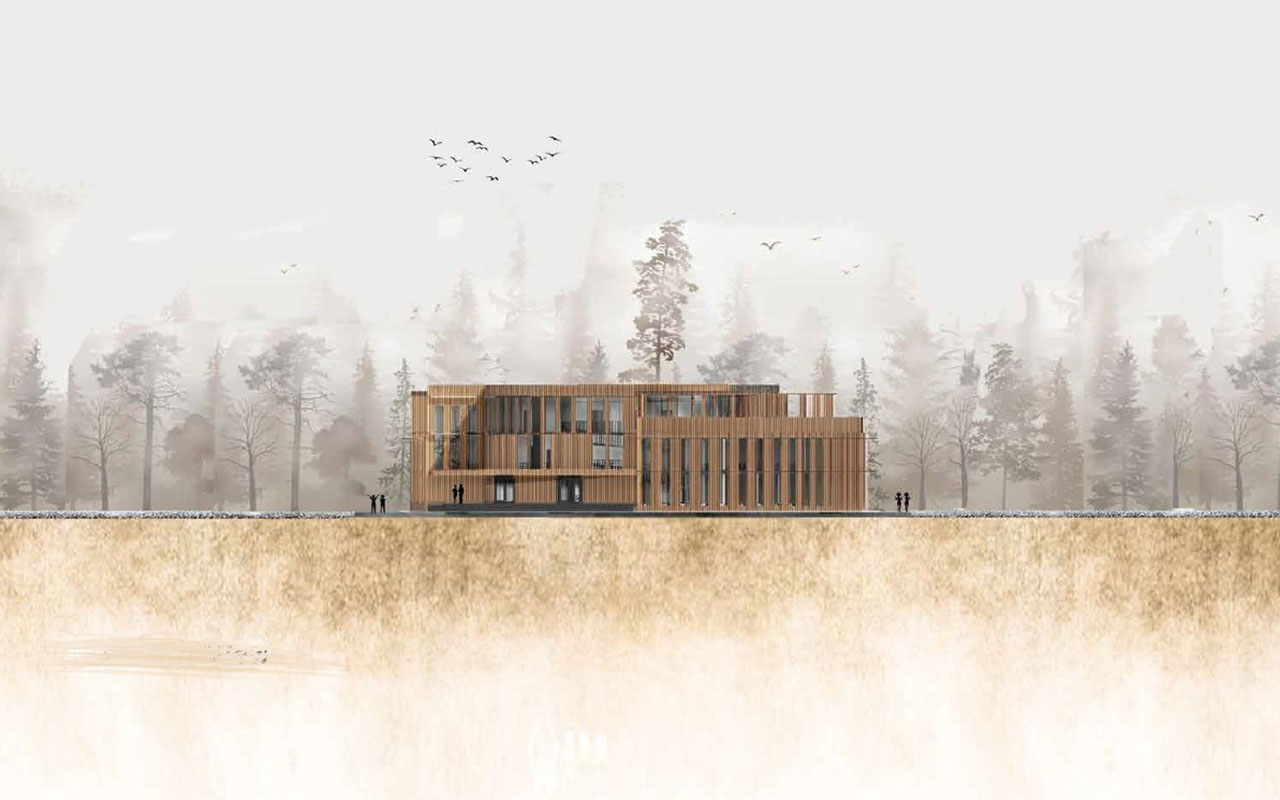
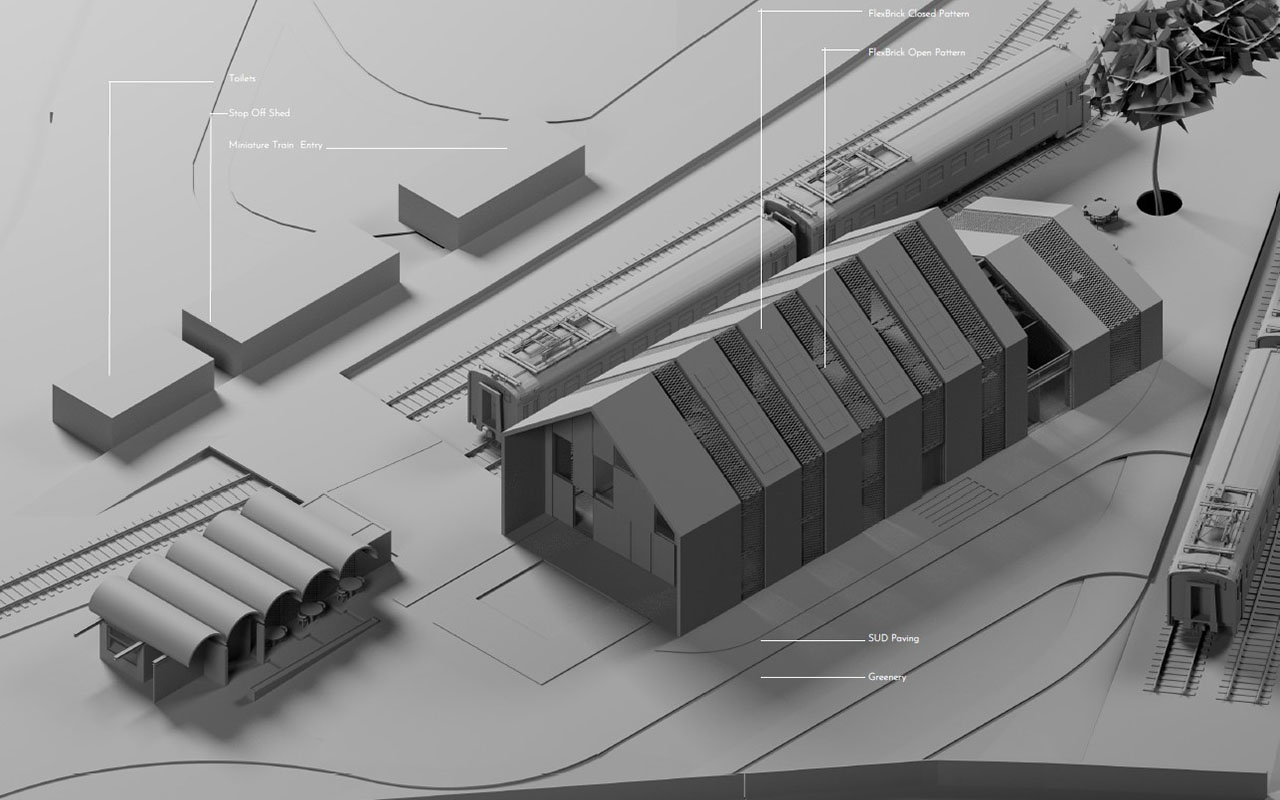
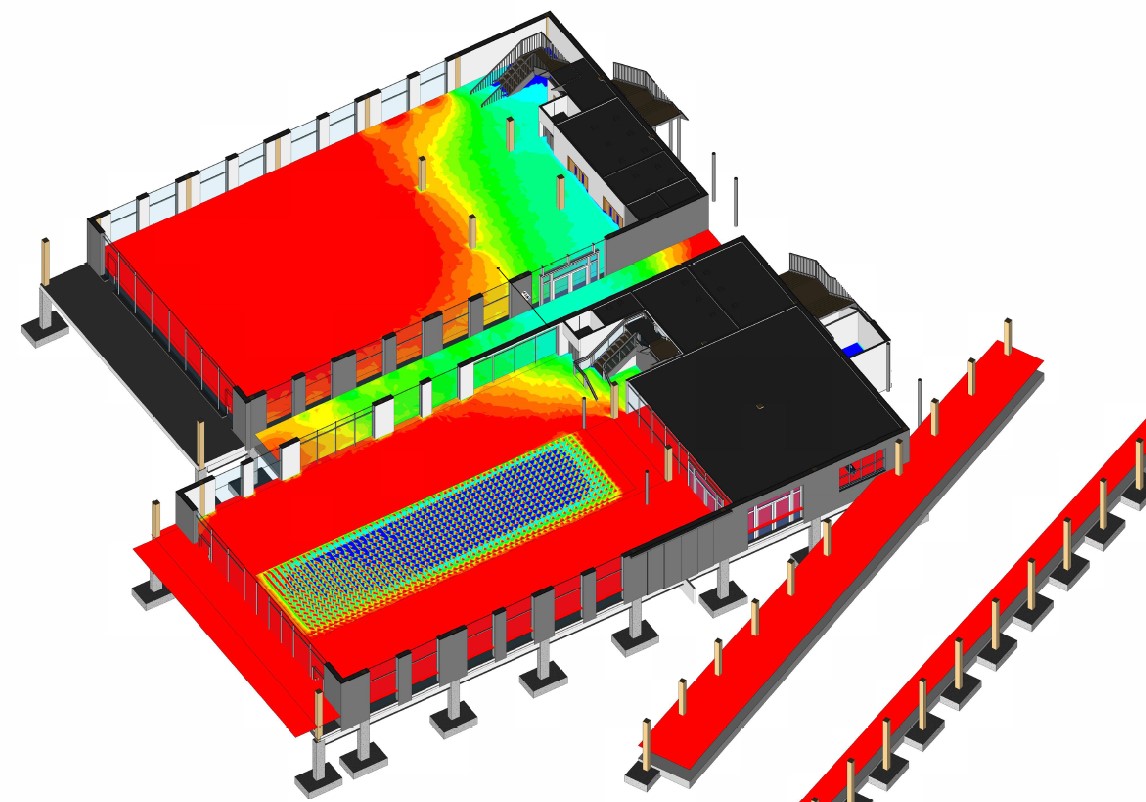
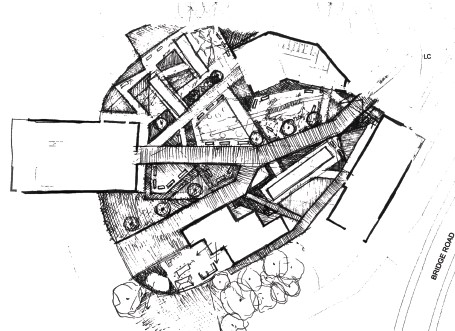
Graphic produced by a MArch Architecture studentSketch drawn by a MArch architecture studentGraphic designed by a MArch architecture studentModel built by a MArch architecture studentGraphic created by a MArch architecture studentDrawing created by a MArch Architecture studentModel created by a MArch architecture student


Employability on the course

This course is built for a profession, not just a qualification. Because it's prescribed by ARB at Part 2 level and holds RIBA Candidate Course status, your MArch is recognised by employers as a genuine step toward chartered practice — and every module is designed with that career outcome in mind.

Where it can take you

  • Licensed Architect — design buildings and lead construction projects; after RIBA Part 3 you can practise independently or within a firm
  • Urban / Town Planner — plan cities, neighbourhoods and infrastructure around zoning, transport, sustainability and public policy
  • Construction Project Manager — manage building projects from planning through execution, on budget, on time and to standard
  • Conservation / Heritage Architect — restore and preserve historically and culturally significant buildings, blending new with old
  • Landscape / Urban Designer — design parks, streetscapes and public realm with local authorities and developers
  • Architectural Visualiser / BIM Specialist — produce 3D visualisation and modelling (Revit, Rhino, Unreal Engine) for presentation and digital collaboration
  • Real Estate / Development Consultant — advise on land use, design feasibility and development strategy, bridging architecture and investment

How the course prepares you

  • Extended induction to help you settle into postgraduate study
  • Structured learning pathways designed around your future career, not just the next assignment
  • Hands-on project experience built around real-world briefs and activities
  • Embedded professional development and placement opportunities as standard, not optional extras
  • Industry-informed modules, kept current through staff research and live industry links
  • Direct routes to registration — ARB Part 2 now, with the course designed to support your progress toward Part 3 chartership

Course Modules

Potential Career Paths

Designs buildings and leads construction projects. After completing RIBA Part 3 (in the UK), you can practice independently or within a firm.

Plans and designs cities, neighbourhoods, and infrastructure with a focus on zoning, transport, sustainability, and public policy.

Manages building projects from planning through execution, ensuring budgets, timelines, and quality standards are met.

Specialises in restoring and preserving historical buildings and culturally significant sites, blending new with old.

Designs outdoor spaces like parks and streetscapes, often working with local governments and developers.

Creates 3D visualisations and models using tools like Revit, Rhino, or Unreal Engine; essential for presentations and digital collaboration.

Advises on land use, design feasibility, and development strategy; bridges architecture with business and investment.

Additional Information

Everything you need to know about this course!

This course is built on Wolverhampton's rich heritage and its unique position in the Black Country — widely regarded as the birthplace of the Industrial Revolution. As the region undergoes major redevelopment, the School of Architecture, Computing and Engineering works directly with local authorities and private companies, giving you a genuine role in shaping that change rather than studying it from a distance.

At the centre of that story is our Springfield Site — a £100 million transformation of a 12-acre, Grade II listed former brewery into one of Europe's largest specialist Architecture and Built Environment campuses, bringing together business and education to maximise impact on the local economy.

The Springfield Site sits just north of the new £150 million Transport Hub and a 10-minute walk from City Campus, acting as a catalyst for economic and social regeneration in an area earmarked for 1,200 new homes and 60,000 sq ft of retail and commercial space — a live case study in the kind of regeneration you'll be trained to lead.

  • Specialist studios and your own personal workspace at the Springfield Site
  • Extensive workshops and fabrication facilities, from traditional modelmaking to advanced digital fabrication
  • Direct links with local authorities and developers shaping the Black Country's regeneration
  • Well-connected campus location — close to the new Transport Hub and City Campus

On successful completion of this course, you will be able to:

  • Generate complex, original design proposals that respond to current architectural issues and test new hypotheses and speculations
  • Use a full range of visual, oral and written media to test, analyse, critically appraise and explain your design proposals
  • Critically evaluate materials, processes and construction techniques, and integrate that evaluation into practical, buildable design proposals
  • Advance knowledge through research to produce clear, logically argued, original written work on architectural culture, theory and design
  • Understand the architect's role in procurement, building production and the legislation that governs both
  • Apply problem-solving skills, professional judgement and initiative to make sound decisions in complex, unpredictable circumstances
  • Identify your own learning needs and take personal responsibility for preparing yourself for qualification as an architect

Location Mode Sep intake Fee Year
Home Full-time £9790 per year 2026-27
Home Part-time £4895 per year 2026-27
International Full-time £17600 per year 2026-27

These fees relate to new entrants only for the academic year indicated for entry onto the course, any subsequent years of study may be subject to an annual increase, usually in line with inflation.

A second class honour undergraduate degree in Architecture RIBA/ARB Part 1, or similar degree in the case of EU and Overseas courses. Applicants with non-ARB prescribed undergraduate architecture degrees who wish to register in the UK as an architect eventually would have to pass the ARB Prescribed Examination.

Applicants are normally expected to have completed at least 9 months of ‘year out’ placement in practice, or have equivalent experience. However, practical experience is not required for entry to the MArch, though applicants should note that a minimum of 24 months of logged professional experience are required to undertake a Part III examination and to register as an architect in the UK, this should include at least 12 months working in the EEA, Channel Islands or the Isle of Man, under the direct supervision of an architect. 12 of the 24 months' experience should have been undertaken in the two years immediately before taking the Part III examination.

Portfolio

Applicants will be asked to provide a convincing portfolio of academic and professional architectural design works.

International Applicants

Your qualifications need to be deemed equivalent to the above entry requirements.

"Coming straight from my Architecture undergraduate degree from another university into the MArch at Wolverhampton, without taking a year out, was a big jump. However, the university made the transition smooth, with strong support from the architectural team and plenty of opportunities to learn and develop as a person and an Architect. Opportunities provided by the University opened doors for me, leading to a job almost immediately after graduation - something I’m genuinely grateful for!"

Sam Underwood, Part 2 Architectural Assistant (DHA Architects)

Architects Registration Board (ARB)

Prescribed by the Architects Registration Board (ARB) at Part 2 level for the purpose of registration in the UK.

Postgraduate Loan (Home Fee Status):

You may be able to get a postgraduate student loan from Student Finance England of up to £13,206 to help pay for a Master’s degree. Applications are made through Student Finance England and more information on the regulations and eligibility criteria can be found at Masters Loans gov.uk.

* Any RPL will invalidate your eligibility as you must study a minimum of 180 credits


Changes for EU students:

The UK government has confirmed that EU students starting courses from 1 August 2021 will normally be classified as Overseas (International) students for fee purposes. More information about the change is available at UKCISA:

EU citizens living in the UK with 'settled' status, and Irish nationals living in the UK or Ireland, will still be classified as Home students, providing they meet the usual residency requirements, for more information about EU Settlement Scheme (EUSS)


Postgraduate Loyalty Discount:

You can get 20% discount on a taught on-site postgraduate course if you’re a University of Wolverhampton Graduate.

The University offers a generous 20% Loyalty Discount to students progressing from an undergraduate programme to a taught postgraduate programme, where both courses are University of Wolverhampton Awards.

There is no time limit on how long ago you completed your degree as long as this is your first Masters level qualification.

The discount applies to the first year of enrolment only. Students who receive a loyalty discount are not entitled to any further tuition discount or bursary. For full terms and conditions click here.


Self-funded:

If you are paying for the fees yourself then the fees can be paid in 3 instalments: November, January and April. More information can be found by clicking here.


Sponsored - Your employer, embassy or organisation can pay for your Tuition fees:

Your employer, embassy or organisation agrees to pay all or part of your tuition fees; the University will refer to them as your sponsor and will invoice them for the appropriate amount.

We must receive notification of sponsorship in writing as soon as possible, and before enrolment, confirming that the sponsor will pay your tuition fees.


Financial Hardship:

Students can apply to the Dennis Turner Opportunity Fund for help with course related costs however this cannot be used for fees or to cover general living costs.


Charitable Funding:

You might also want to explore the possibility of funding from charitable trusts. Please contact Association of Charitable Foundations, Directory of Social Change or Family Aid. Most charities and trust funds offer limited bursaries targeted to specific groups of students so you will need to research whether any of them are relevant to your situation.


You can find more information on the University’s Funding, cost, fee and support pages.

Telephone

01902 32 22 22

Email

enquiries@wlv.ac.uk

Online

Order a prospectus