School of Pharmacy and Life Sciences

BSc (Hons) Animal Behaviour and Wildlife Conservation

BSc (Hons) Part-time 6 years, Full-time 3 years

Learn skills and professional practice though taught, field and practical experiences across the UK and Europe. Graduate ready to protect species and habitats wherever they are found.

Learn skills and professional practice though taught, field and practical experiences across the UK and Europe. Graduate ready to protect species and habitats wherever they are found.

Award
BSc (Hons)
Start date(s)
14 September 2026
UCAS Code
DD34
Course specifications
Course length
Part-time (6 years),Full-time (3 years)
Campus location
University: City Campus
UCAS points calculator

Why choose this course?

BSc (Hons) Animal Behaviour and Wildlife Conservation is a hands-on degree for students who want a career protecting the species and habitats they care about most. Every student is guaranteed a professional placement— giving you the chance to experience the professional world and build real workplace skills before you graduate.

Accredited by the Royal Society of Biology, the course gives your degree recognised professional standing from day one.

Royal Society of Biology Logo

You’ll learn from, internationally-recognised research-active academics working directly in conservation and behavioural science.

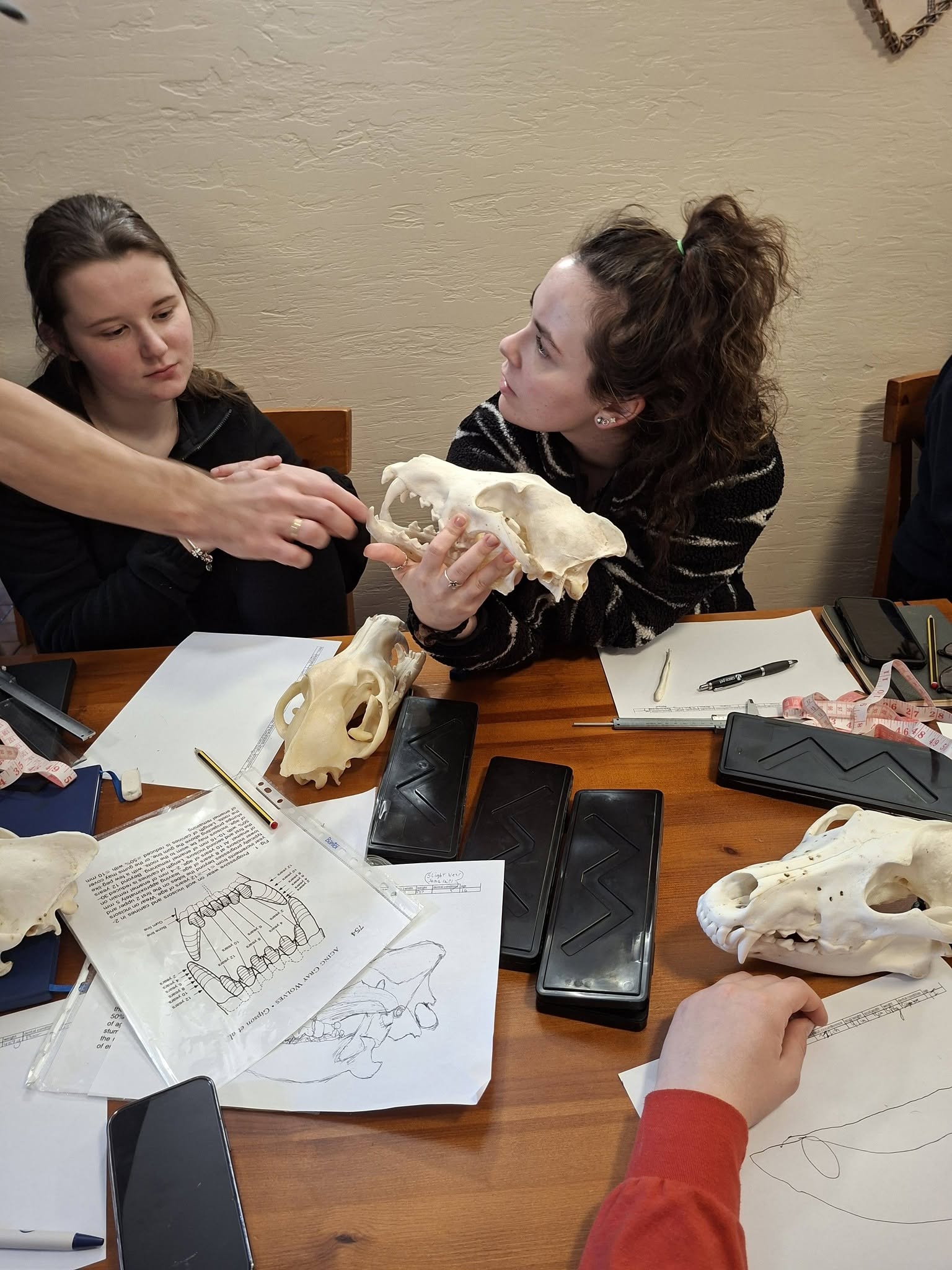
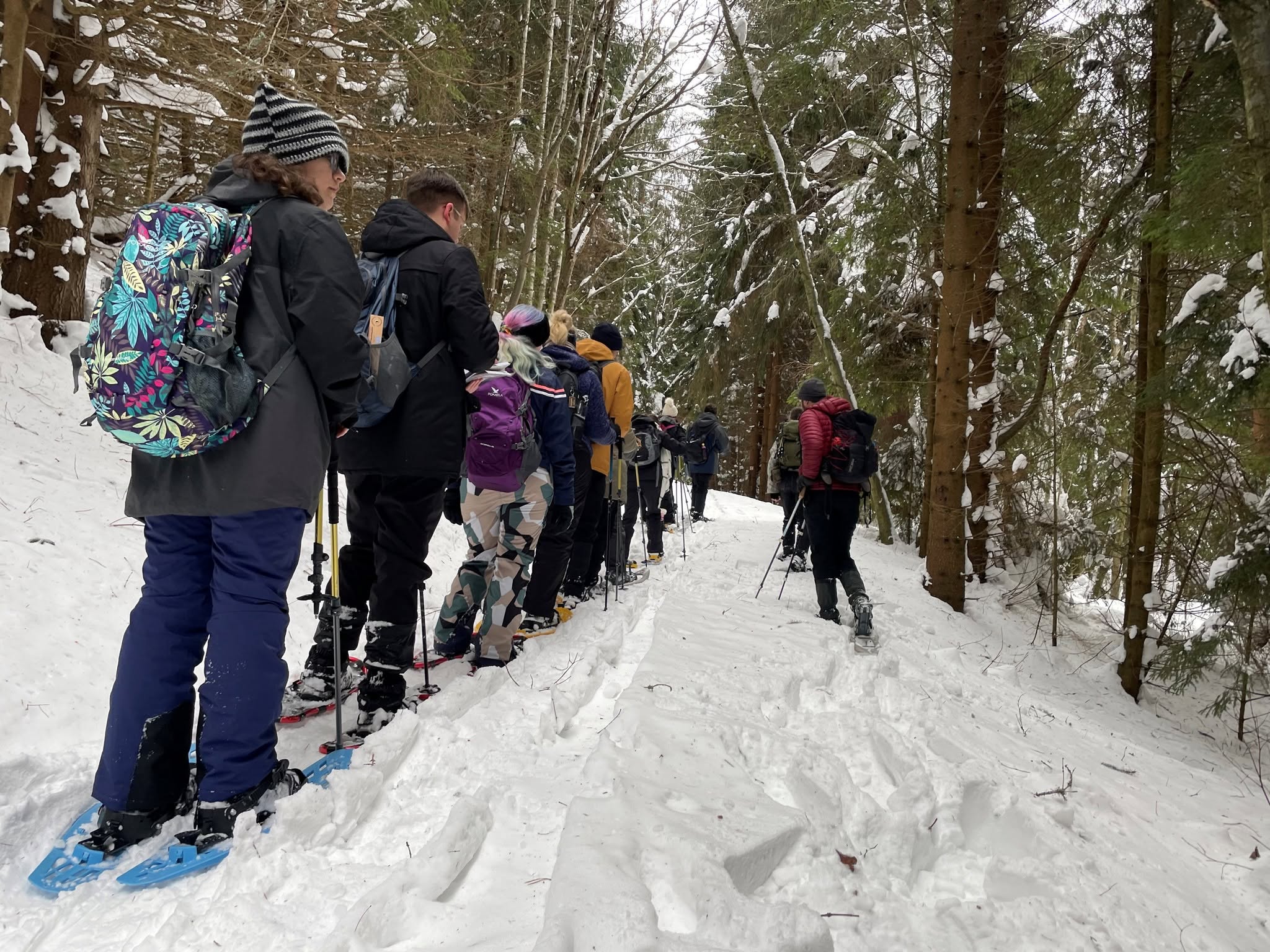
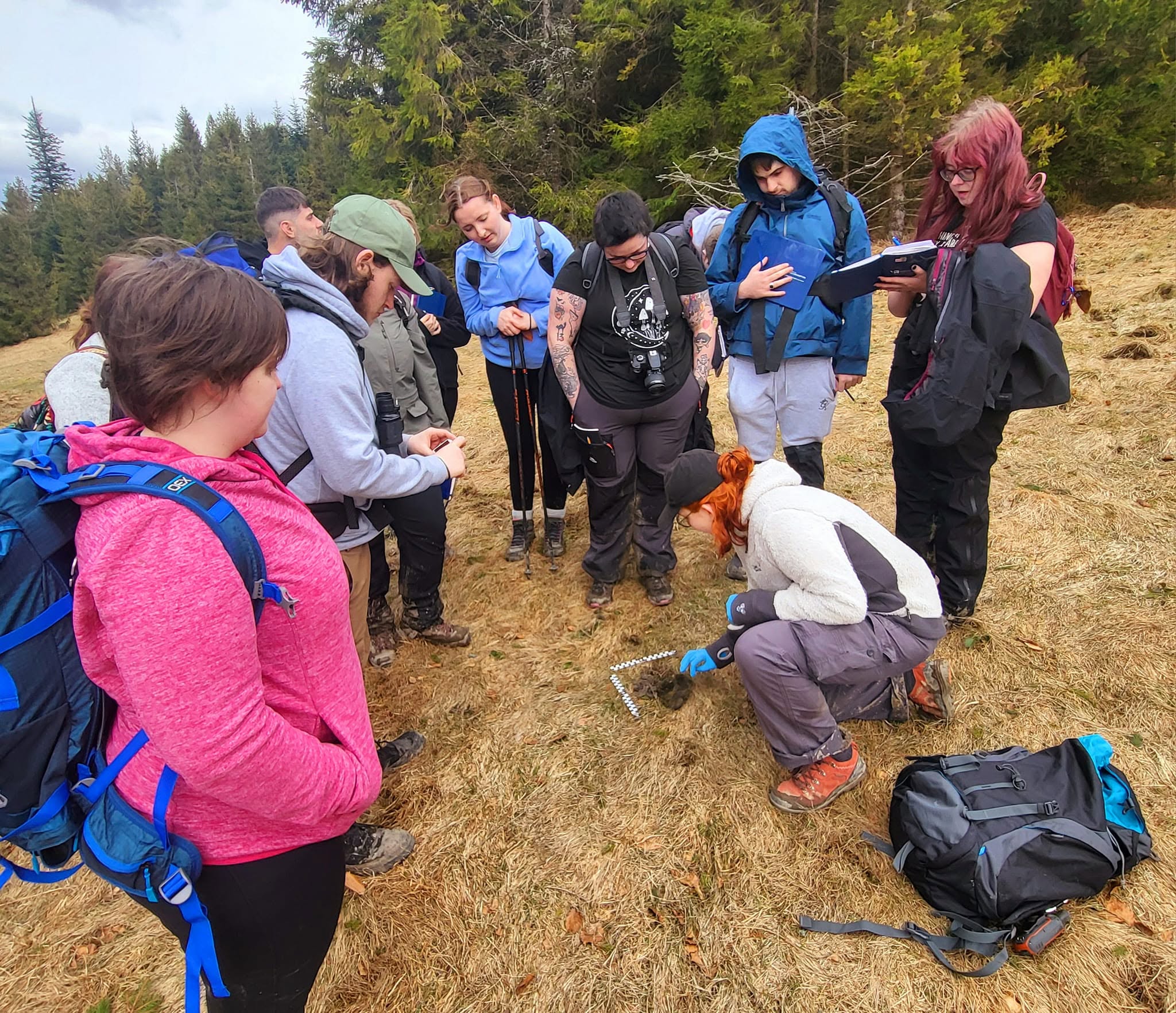
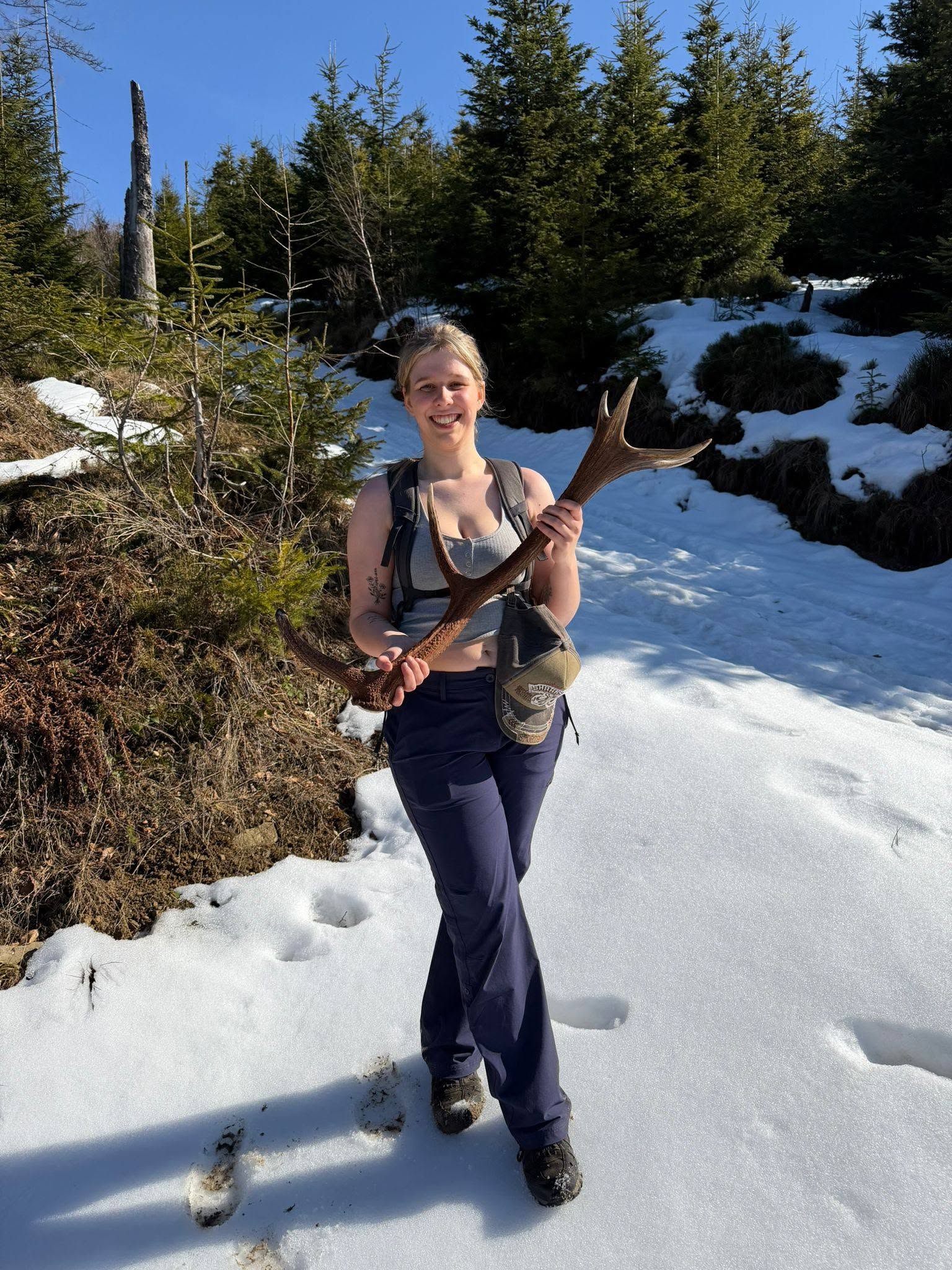
Fieldcraft is built into the course from day one. Compulsory week-long field courses take place across the UK and Europe — with our European field course giving you the opportunity to track wolves in the Polish mountains. This is alongside opportunities for wider fieldwork in locations such as South Africa. These opportunities take you from understanding UK species and habitats to hands-on work with some of the world’s most charismatic species.


What's unique about this course?

  • Guaranteed professional placement, no competing for places: unlike degrees where placements are optional or limited to a handful of students, every student is guaranteed a professional placement, giving you the chance to experience the professional world before you graduate.
  • Named, high-profile expertise: taught by internationally-recognised research-active experts who are active in conservation and behavioural research.
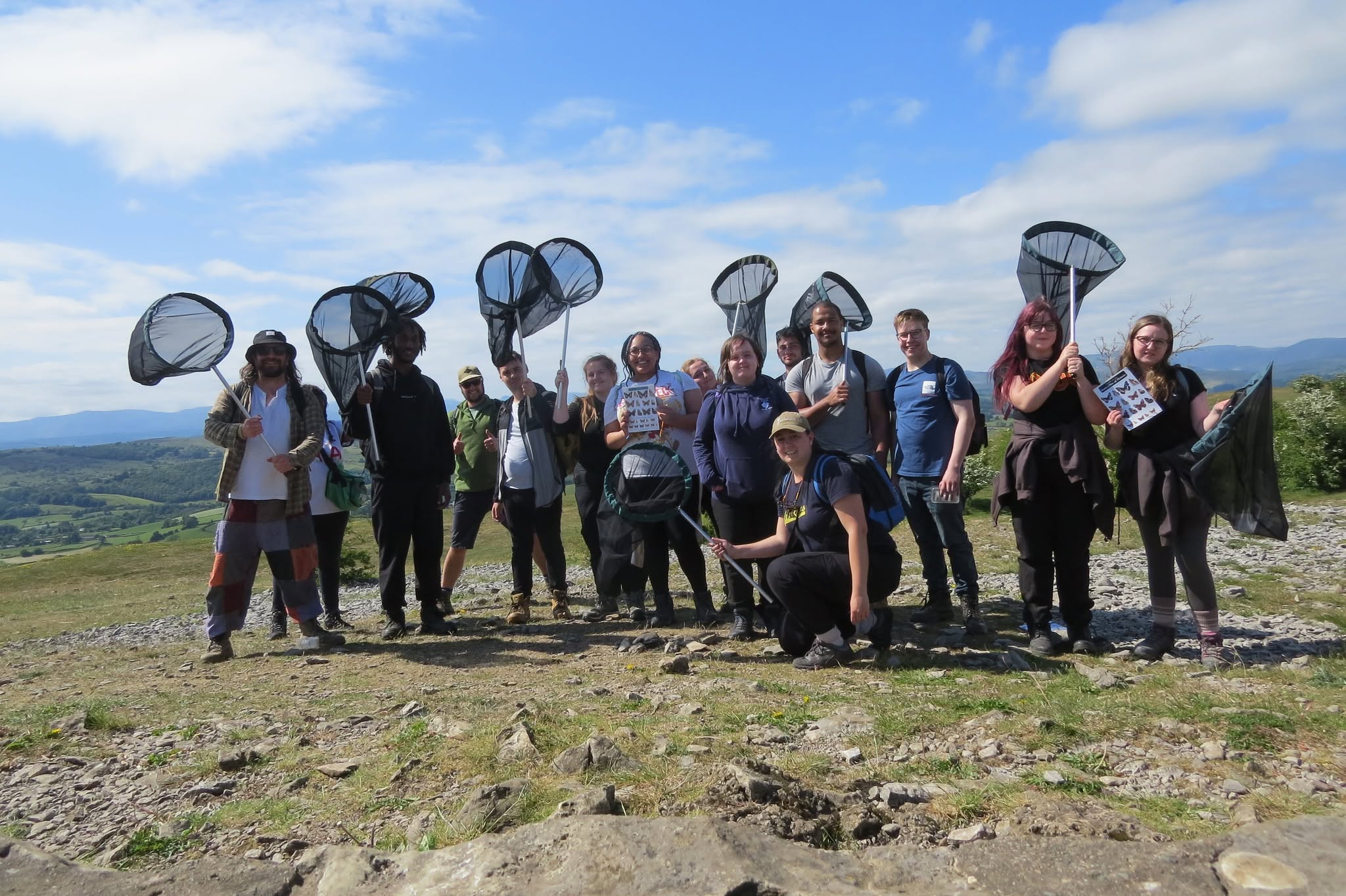
  • Compulsory international  fieldwork: week-long field courses across the UK and Europe (current destinations include the Lake District and Poland) are built into the course, with further optional field trips to locations such as South Africa.
  • State-of-the-art facilities: study in modern labs within the Rosalind Franklin Building, and work directly with individual species through our collaborations with local and international zoos.
  • Professional accreditation: accredited by the Royal Society of Biology, giving your experience professional recognition

Royal Society of Biology Logo

What happens on the course?

Level 4 lays the groundwork. You’ll build a shared foundation in animal behaviour, ecology, evolution and the diversity of life, while developing the field survey and behavioural assessment skills that underpin everything that follows. A dedicated, subject-focused induction module also helps you settle into university study and start thinking about your future career from your very first semester.

Level 5 moves from theory into application. Modules on evolution and behaviour, conservation biology, and zoo and wildlife conservation and monitoring deepen your subject knowledge, while a dedicated professional development module has you reflecting on real work experience and planning your career path.

Level 6 is where you apply everything at a professional level. You’ll:

  • design, deliver and communicate independent research through your Honours Project, often working directly with industry partners such as zoos, safari parks, conservation bodies or directly with staff on their research.
  • tackle real-world conservation problems through applied, scenario-based coursework
  • study vertebrate conservation and the growing global challenge of invasive species

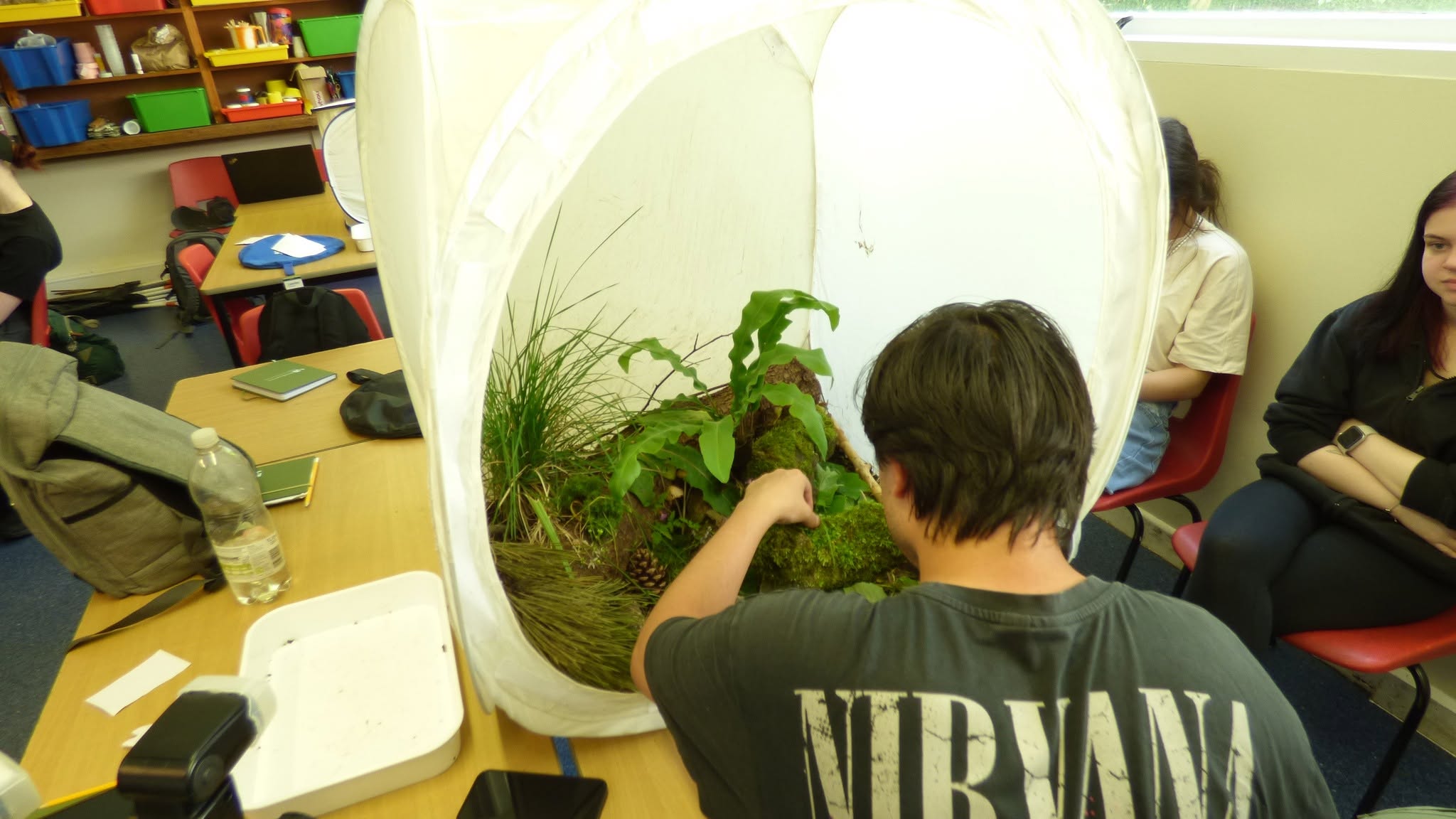
Throughout all three years, you’ll have a balance between the field and the classroom— from skills-based workshops through to residential field courses and zoo-based visits— building a portfolio of practical field and applied experience that most graduates simply don’t have.

Placements on the course

We’ve built professional placements into every degree, every student will be guaranteed a professional placement. Our placements give you the real-world exposure and proven experience your CV needs, while building the industry networks essential for your career.

These short-term, structured experiences include:

  • Short duration: condensed work-like experience in professional environments
  • Academic integration: always linked to coursework, assessments or professional development modules
  • Project-based learning: students work on specific tasks or research with an organisation
  • Flexible format: can be in-person, remote, hybrid or virtual
  • Skill development: enhances workplace skills like communication, teamwork and problem-solving
  • Experiential learning: helping to close the gap between knowledge gained and the skills needed to succeed

Employability on the course

Every ABWC student graduates with more than a degree — you graduate with proven, hands-on experience. A guaranteed professional placement is built into every degree, giving you recognised professional standing and real exposure to the graduate world — whatever sector it's in.

Career planning starts early and continues throughout your studies. A dedicated Level 5 module focuses specifically on graduate-level career readiness, and our close working relationship with the Faculty Careers Office brings tailored support directly into your modules. You’ll also have the chance to network with subject-specific employers — including former ABWC students now working in the sector — at our bi-annual careers fair.

Many students’ final-year Honours Projects are carried out in direct collaboration with external partners such as Dudley Zoo, Natural England and Operation Wallacea, giving you genuine research experience alongside professional organisations before you’ve even graduated.

Graduates go on to careers across conservation NGOs, zoos and aquaria, ecological consultancy, wildlife charities and government agencies — equipped with the fieldcraft, research and problem-solving skills and professional network to compete for roles from day one.

Course Modules

Additional Information

Everything you need to know about this course!

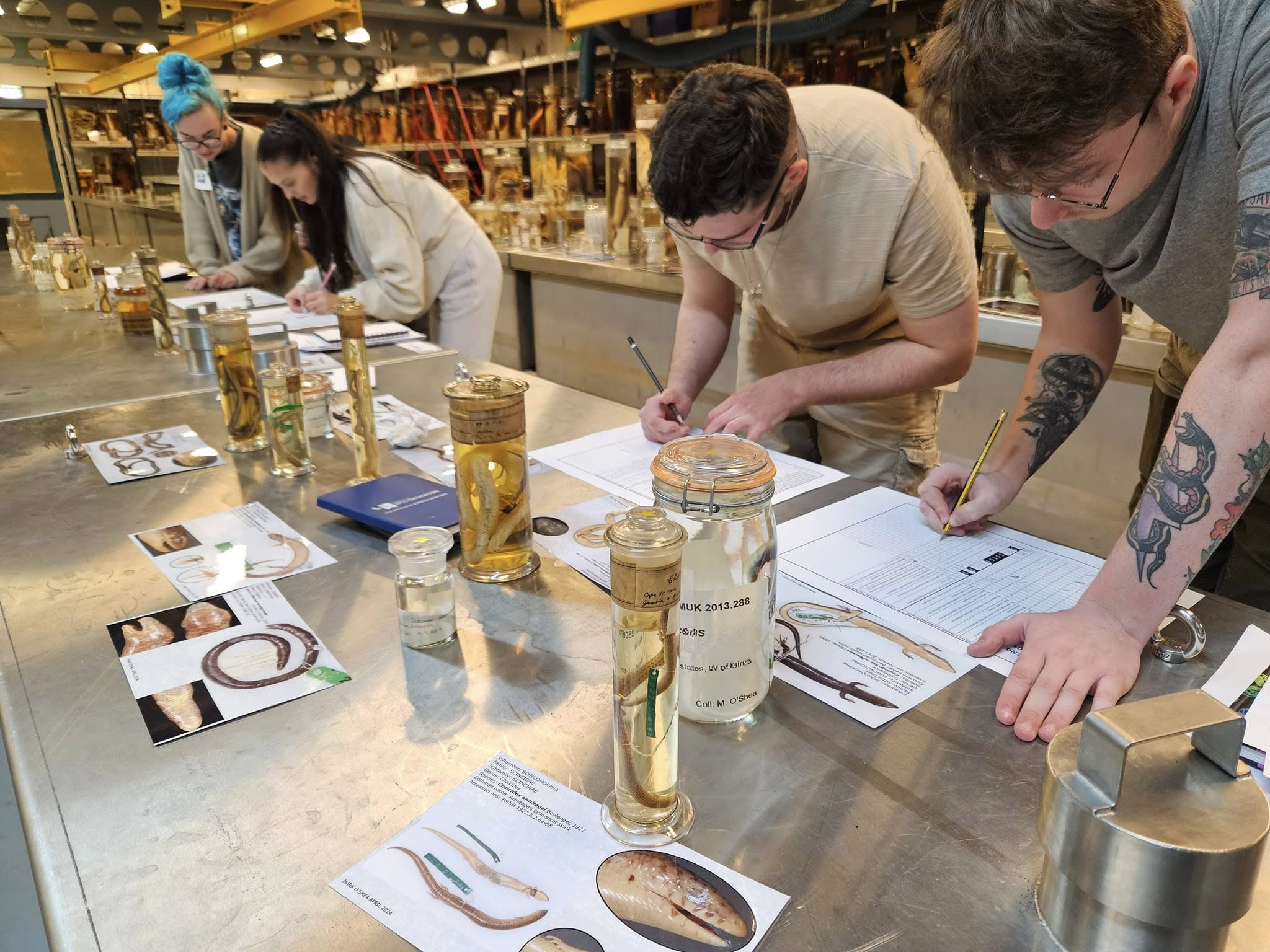
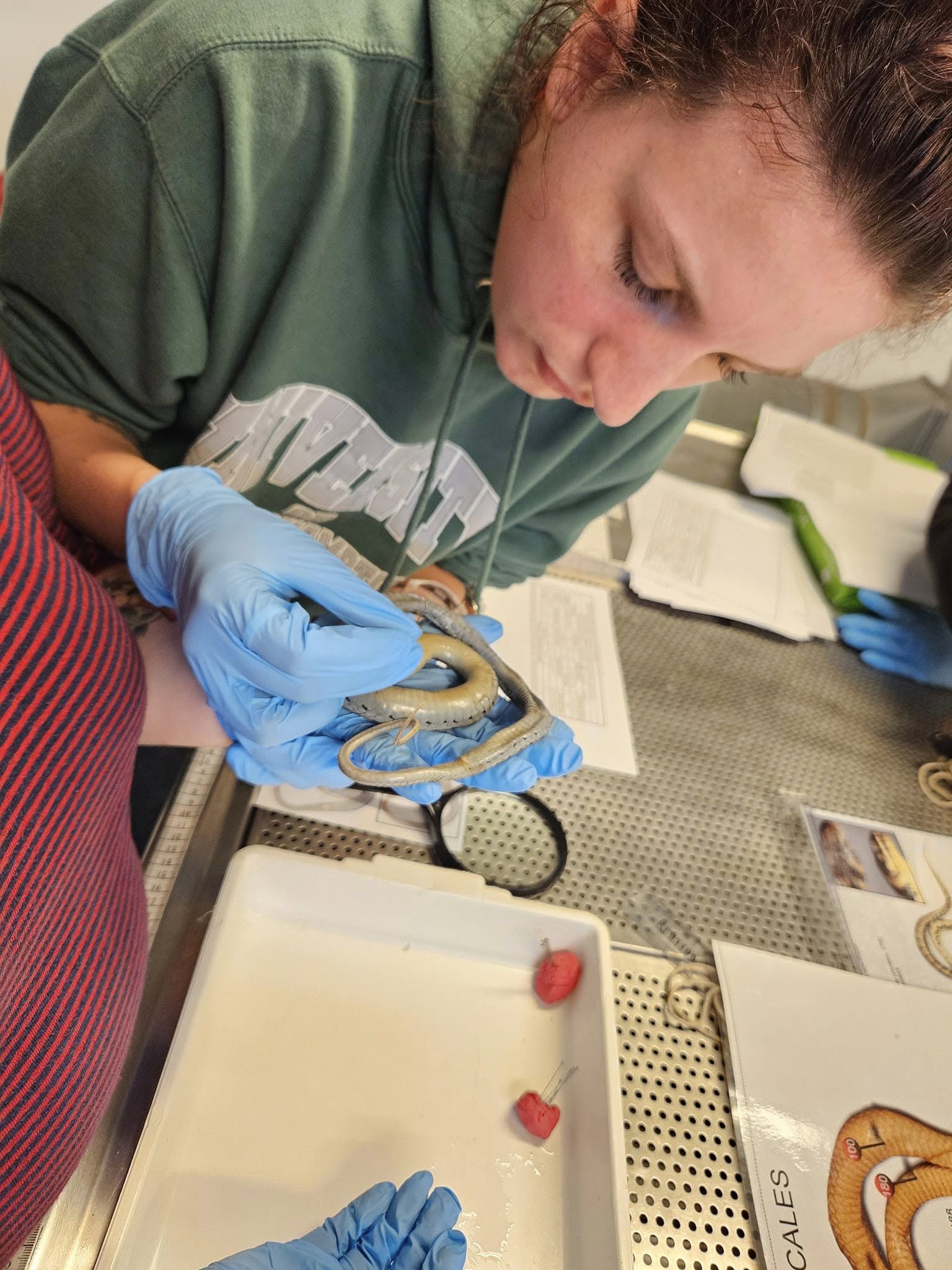
Wolverhampton brings together everything a future conservation professional needs, in one accredited degree. You’ll be taught by internationally-recognised, research-active experts — including internationally recognised herpetologist Prof Mark O’Shea — in modern labs within the Rosalind Franklin Building.

Fieldcraft isn’t optional here: compulsory UK and European field courses (with current destinations being the Lake District and Poland) are built into every year of the course, alongside opportunities for wider fieldwork in locations such as South Africa and a guaranteed professional placement for every student.

Honours projects regularly connect you with real conservation organisations, including Dudley Zoo, Natural England and Operation Wallacea, and the course is accredited by the Royal Society of Biology, giving you recognised professional standing as soon as you graduate.

  • Evaluate and apply key behavioural, ecological and conservation principles
  • Locate, interpret and synthesise current scientific literature and research
  • Solve problems in both practice and research through designing and applying  suitable strategies and analysis methods
  • Communicate scientific findings to diverse audiences — in writing, orally, visually and through different media.
  • Build the professionalism and autonomy needed for graduate-level careers in the conservation sector
  • Work as a reflective, ethically responsible practitioner, aware of legal obligations and diverse perspectives on wildlife and conservation

Location Mode Sep intake Fee Year
Home Full-time £9790 per year 2026-27
Home Part-time £4895 per year# 2026-27
International Full-time £17600 per year 2026-27

The University is committed to a transparent fee structure, with no hidden costs, to help you make an informed decision. This includes information on what is included in the fee and how fees are calculated and reviewed.


If a tuition fee is not showing, we may not offer this intake for this course. Please check the start date information on the course finder for start dates.

# Undergraduate part-time fees for 50% rate of study

  • 96 UCAS points
  • A Levels - grades CCC / BCD to include a Science subject, preferably Biology.
  • BTEC L3 Extended Diploma or OCR Cambridge L3 Technical Extended Diploma - grades MMM (in Animal Management or Applied Science)
  • Access to HE Diploma (60 credits) of which a minimum of 45 must be at Level 3 (96 UCAS point equivalence, minimum 45 credits at merit) in a Science or Science related subject
  • T Level - P - Core grade needs to be C or above

Use the UCAS Tariff calculator to check your qualifications and points

Students must usually have studied for a minimum of two years post GCSE level. However, we will consider applications from mature students who do not have two years of post-16 study, where they have relevant work experience. Please see http://wlv.ac.uk/mature for further information.

If you've got other qualifications or relevant experience, please contact The Gateway for further advice before applying.

International entry requirements and application guidance can be found at http://www.wlv.ac.uk/international/apply

English language requirements also apply

Royal Society of Biology

"Accredited by the Royal Society of Biology for the purpose of meeting, in part, the academic and experience requirement of membership and Chartered Biologist (CBiol)."

Tuition Fees Loan (Home Fee Status):

Most students will be able to apply for a loans to pay for these subject to eligibility. To find out more information please refer to the government Student Finance website.

Changes for EU students:

The UK government has confirmed that EU students starting courses from 1 August 2021 will normally be classified as having Overseas Fee status. More information about the change is available at UKCISA:

EU citizens living in the UK with 'settled' status, and Irish nationals living in the UK or Ireland, will still be classified as Home students, providing they meet the usual residency requirements, for more information about EU Settlement Scheme (EUSS)


Self-funding:

If you don’t want to take out a loan to pay your fees or if you aren’t eligible to receive a loan, you might want to take advantage of the University’s scheme to pay by instalments: See How to pay.

For more information please contact the Gateway.


Your employer, embassy or organisation can pay for your Tuition fees:

If your employer, embassy or organisation agrees to pay all or part of your tuition fees; the University will refer to them as your sponsor and will invoice them for the appropriate amount.

We must receive notification of sponsorship in writing as soon as possible, and before enrolment, confirming that the sponsor will pay your tuition fees.


Financial Hardship:

Students can apply to the Dennis Turner Opportunity Fund.

for help with course related costs however this cannot be used for fees or to cover general living costs.


Bursaries and Scholarships:

In addition the University also offers a range of Bursaries and Scholarships packages

You can find more information on the University’s Funding, cost, fee and support pages.

Telephone

01902 32 22 22

Email

enquiries@wlv.ac.uk

Online

Order a prospectus

How we compare

Find out how our course is rated on Discover Uni, the official website for comparing UK higher education courses.

Find out how our course is rated on Discover Uni, the official website for comparing UK higher education courses.

Full-time Course

Part-time Course