/prod01/wlvacuk/media/departments/digital-content-and-communications/submitted-news-images/Mr-Speaker-2.jpeg)
Back
Back

Green Loops set to revolutionise solar panel recycling and tackle global clean energy waste crisis
12/06/2026
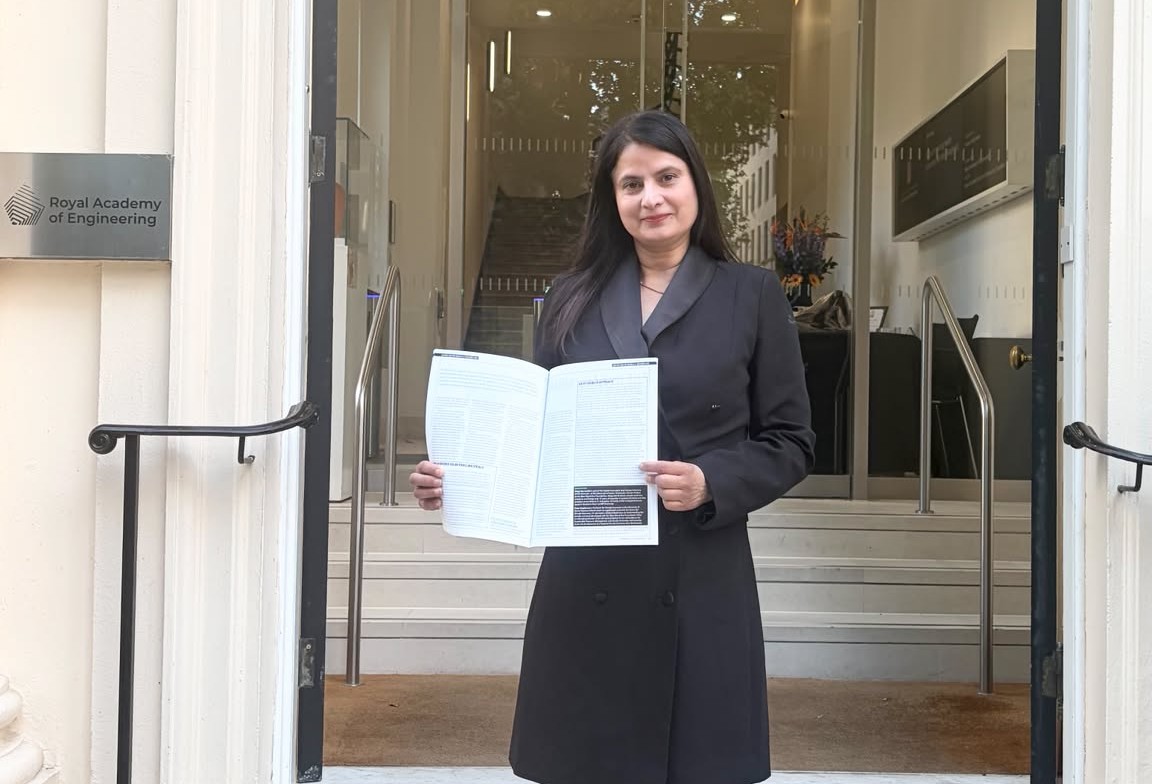
A groundbreaking innovation developed at the University of Wolverhampton could transform how the world deals with the rapidly growing mountain of end-of-life solar panels, following high-profile recognition by the Royal Academy of Engineering.
The project, known as Green Loops, has been featured in the Royal Academy of Engineering’s prestigious Ingenia magazine as a world-first solution that combines green extraction technology with artificial intelligence to recover critical materials from solar panels and e-waste.
Developed as part of the University’s commitment to the Wolverhampton Green Innovation Corridor, the project supports the region’s ambition to become a national leader in clean growth and sustainable advanced manufacturing.
Led by Dr Kiran Gulia, Green Loops uses two proprietary AI platforms to extract valuable materials from decommissioned solar panels through a solvent-free process, then intelligently redesigns them into high-performance components for new solar cells, batteries, and green hydrogen technologies - creating a true circular economy for renewable energy.
With an estimated 78 million tonnes of solar panel waste expected globally by 2050, Green Loops offers a timely and scalable solution to one of the clean energy sector’s biggest hidden challenges: what to do with solar panels once they reach the end of their life.
Driving innovation from lab to market
The University is now accelerating plans to commercialise Green Loops, moving the technology from research into real-world deployment through licensing and spin-out opportunities.
Dr Kiran Gulia, Founder of Green Loops and Senior Academic in Engineering at the University of Wolverhampton, said:
“Green Loops was born out of a critical global problem - we are building a renewable energy future while creating a massive waste problem for future generations. This technology doesn’t just recycle solar panels; it turns waste into the next generation of clean energy materials. Taking this to market is about delivering real impact at scale.”
Professor Prashant Pillai, Pro Vice-Chancellor for Research and Knowledge Exchange at the University of Wolverhampton, said:
“Green Loops is exactly the kind of high-impact, globally relevant innovation we want to champion. This project demonstrates how research at Wolverhampton is not only solving major environmental challenges but also creating new economic opportunities through commercialisation.”
As the world races towards net zero, Green Loops positions the University of Wolverhampton at the forefront of sustainable innovation - turning the clean energy waste challenge into a major opportunity for industry, policymakers, and the planet.
For more information please contact the Corporate Communications Team.