


Written by Associate Professor Dr. Jennifer Lim
Summary
Dementia is a growing challenge in Malaysia, but access to knowledge, diagnosis and support is unequal. We interviewed 18 family carers in urban Klang Valley and Sabah to understand how location, culture and stigma shape dementia care.
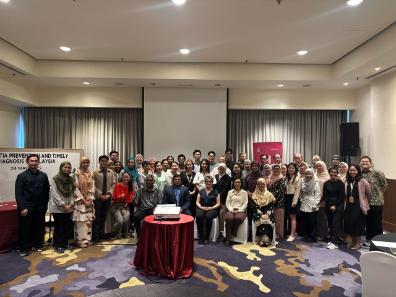
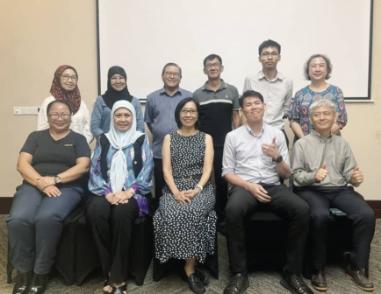
The project also brought together stakeholders across dementia research, policy, healthcare and the voluntary sector, and led to the launch of the Malaysia Dementia Network website.
Why dementia care is unequal across Malaysia
Dementia is a growing public health, family and social care challenge in Malaysia. As the population ages, around 1 in 10 older adults is expected to live with dementia. This rising need is not matched by equal access to dementia knowledge, timely diagnosis, care services or community support across the country.
Despite growing awareness, dementia knowledge and prevention awareness remain limited. Symptoms are still often misunderstood as part of normal ageing, which can delay help-seeking, diagnosis and future care planning. Families may only seek formal help when symptoms become difficult to manage, meaning opportunities for earlier support, risk reduction and carer guidance can be missed.
Access to services is also unequal. Specialist services, memory assessment, dementia-trained professionals, day care, respite care and community-based support are more available in some urban areas, particularly around Selangor and Kuala Lumpur, but remain limited or harder to access in other regions. Where a person lives can strongly shape whether they receive timely diagnosis, practical advice and ongoing support.
Our project aimed to build a more connected and equitable dementia landscape in Malaysia. It brought together researchers, practitioners, policymakers, voluntary organisations, carers, people living with dementia and the wider public to improve dementia awareness, prevention, timely diagnosis and accessible support across different regions, not only in major urban centres.
What we did
The Malaysia project used a research, knowledge exchange and networking approach to understand dementia experiences across different local contexts and to strengthen connections between key stakeholders.
Interviews with family carers.
We carried out qualitative work with family carers in two contrasting settings: Klang Valley (an urban region in Selangor) and Sabah (a rural region). These sites were selected to explore how dementia recognition, diagnosis and care are shaped by differences in service access, community awareness, cultural background, geography and local support systems. The interviews generated insights into lived experiences of dementia, including pathways to diagnosis, family care responsibilities, stigma, service use and barriers to support.
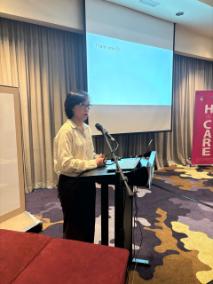
Knowledge exchange with stakeholders. The project involved knowledge exchange with stakeholders across dementia research, policy, healthcare, voluntary organisations and community networks. This supported discussion of the findings, identification of gaps in current dementia support, and exploration of how information and resources could be made more accessible to families and communities.
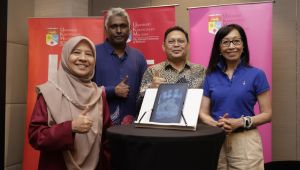
The Malaysia Dementia Network website. A key output was the development and launch of the website. It brings together practical information on dementia and brain health, local resources, and findings from the project. It is intended as both a public-facing resource and a platform to support future collaboration across Malaysia's dementia landscape.
What we found
Our project showed that dementia is not only a medical issue. It is also shaped by family responsibility, cultural expectations, stigma, community awareness, service availability and trust in formal care. Families often carry the main responsibility for recognising symptoms, seeking help and providing care, but many do so with limited guidance, training or support. This can increase carer burden and reduce opportunities for prevention, early intervention and future planning.
The project highlighted four key findings:
- Awareness of dementia and dementia prevention remains limited, particularly outside areas where services are concentrated, such as Selangor and Kuala Lumpur. Low awareness can delay help-seeking and diagnosis and can prevent families from accessing information that may support brain health, planning and care.
- Pathways to diagnosis and support vary considerably by location. Families in Klang Valley (Selangor) were more likely to access formal diagnosis, while families in Sabah experienced greater barriers to formal recognition and support. Dementia care in Malaysia cannot be understood through a single national picture; local context, service availability and community networks are crucial.
- Carers' experiences are strongly shaped by cultural and family expectations. Families often see dementia care as a family responsibility, but this can create pressure when support needs increase. Stigma and uncertainty about dementia can also make it difficult for families to talk openly about symptoms, seek help early or use formal services.
- Support systems need to be better connected. Families require accessible information, culturally meaningful communication, clearer referral pathways and stronger links between health services, community organisations and voluntary sector support.
These findings point to practical areas for improvement: dementia awareness, prevention communication, earlier diagnosis, carer support, culturally appropriate information and more equitable access to services across different regions of Malaysia.
The impact
A public platform. The launch of the Malaysia Dementia Network website gives families, carers, the public, practitioners, voluntary organisations and policymakers a public platform to access information on dementia, brain health, local resources, ageing and dementia research, and our project findings.
New connections. The project has also created new connections between researchers, practitioners, community organisations and other stakeholders working in dementia across Malaysia. These networks are important because dementia support requires collaboration across sectors rather than isolated work within healthcare or academia.
Anticipated impact
-
- Better access to information. The project will improve public and community access to dementia and brain health information, especially by making practical and locally relevant resources more visible.
- Support for carers and families. It will provide information that can help families recognise dementia, understand available support and feel less isolated.
- Better-informed practitioners and policymakers. It will inform practitioners, service providers and policymakers about the lived realities of dementia care in different Malaysian contexts, including the contrast between urban and less-resourced settings.
- A foundation for future work. It will provide a foundation for future dementia research, intervention development and policy engagement in Malaysia. By highlighting gaps in awareness, diagnosis and support, the project can help shape future work on dementia prevention, culturally appropriate care, carer support and more equitable dementia services.
- Greater awareness. It will raise awareness not only about dementia but also about carer burden and modifiable factors that could reduce dementia risk.
Overall, the project contributes to building a more connected, informed and collaborative dementia landscape in Malaysia. It moves beyond producing research findings alone by translating evidence into accessible resources, stakeholder engagement and future pathways for action.
 What partners and participants said
"A much-needed website for Malaysia."
"Very good for public health."
"An important milestone in dementia research in Malaysia, we now have a website where information from all sectors can be found."
"Interdisciplinary research is now possible because we can find information on dementia research/projects."
"A living platform which can be used to promote dementia-related information."
"Will create awareness across Malaysia, especially outside Kuala Lumpur and Selangor."