

/prod01/wlvacuk/media/departments/digital-content-and-communications/submitted-news-images/Mr-Speaker-2.jpeg)
/prod01/wlvacuk/media/departments/research/images/54992018471_012623955f_k.jpg)
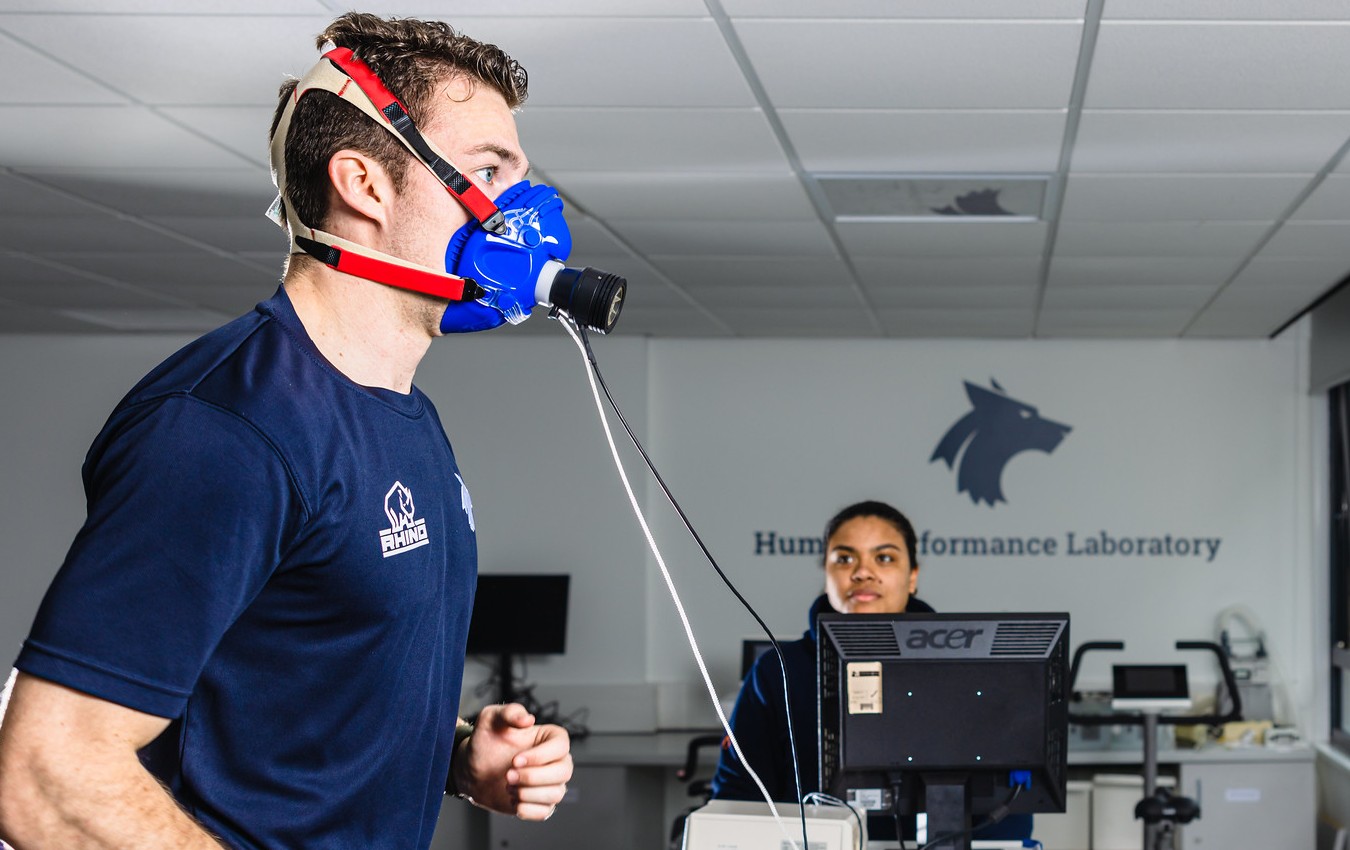
Health and Wellbeing is a core research area of the University of Wolverhampton, bringing together specialists from across disciplines to enhance quality of life, support active communities and improve physical and mental health outcomes.
Our researchers explore a wide range of areas including sport science, rehabilitation, public health, performance and mental wellbeing; dedicated to exploring what drives healthier lives and to shaping interventions that strengthen wellbeing in both clinical and community environments.
We maintain strong partnerships with a range of organisations that help drive forward our health and wellbeing research. These include local football clubs, the British Judo Association, the National Institute of Dance Medicine and Science (NIDMS), and many others. Through these partnerships, our work supports athlete development, advances clinical and performance practice, and enhances community health initiatives.



Showcasing Award Winning Impact
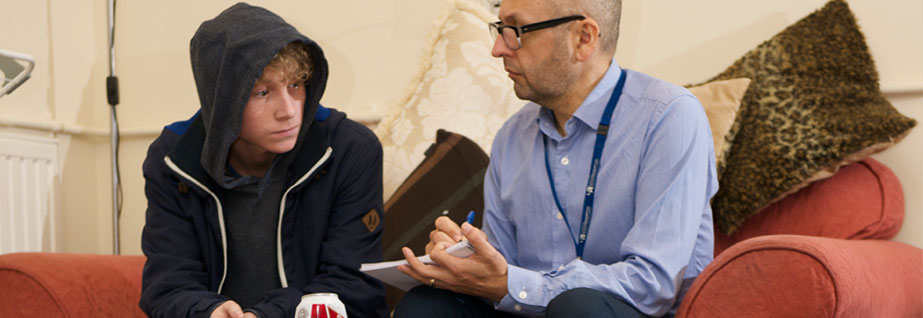
We proudly recognise Dr Karan Jutlla winner of the Transformative Impact in Health and Social Care award at last years Beyond Future Festival, for pioneering research in the Centre for Applied and Inclusive Health Research (CAIR), Living Well with Dementia Research Cluster.
This research champions inclusive health practices by developing methods that ensure people from underrepresented communities, including those living with dementia, are actively involved in health and social care studies. Dr Karan Jutlla’s work is influencing local policy and shaping place‑based dementia support recognised nationally and internationally.
Strengthening Healthcare in Somaliland
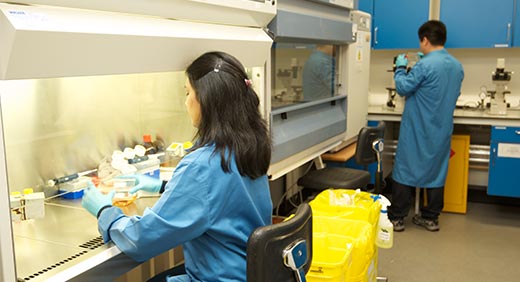
The Wolverhampton and Somaliland Global Health Partnership, led by Dr Opeolu O. Ojo, brings together applied research, health system strengthening and global collaboration to address the growing challenge of non‑communicable diseases (NCDs), particularly type 2 diabetes. The work spans two interconnected areas: innovative drug discovery and practical health system reform in low and middle income countries. Alongside laboratory based research that has identified new compounds now being developed into treatments for type 2 diabetes, the partnership supports governments to strengthen NCD management at a systems level.
In Somaliland, the team has helped develop national strategies and draft policies, trained over 190 healthcare workers, strengthened around 50 healthcare facilities, produced treatment guidelines and training materials to improve long‑term care. Collaboration underpins this approach, with partnerships across government, local authorities, charities and community‑based organisations ensuring sustainable and locally relevant impact.
Advanced Wound Dressing
Dr Abhishek Gupta, Principal Lecturer in Business Development in the School of Pharmacy and Life Sciences, is leading innovative research in advanced wound care that addresses one of healthcare’s most complex challenges. Focusing on hard to heal and chronic wounds particularly affecting people with diabetes, compromised immune systems and older adults the research develops personalised, interactive wound dressings tailored to individual patients and wounds. These transparent, skin like dressings enable pain free removal and continuous monitoring, improving healing outcomes while reducing clinical burden.