/prod01/wlvacuk/media/departments/digital-content-and-communications/images-2026/Claire-Macdonald-graduate---courtyard-2-wolf-resized.jpg)
/prod01/wlvacuk/media/departments/digital-content-and-communications/submitted-news-images/nss2026_800x400-1.jpg)
/prod01/wlvacuk/media/departments/digital-content-and-communications/images-2026/Prashant-Pillai--Solange-Chamberlain----Stephen-Simpkins.jpeg)
/prod01/wlvacuk/media/departments/digital-content-and-communications/submitted-news-images/Indian-weightlifting-team.JPG)
/prod01/wlvacuk/media/departments/digital-content-and-communications/submitted-news-images/Women-in-Engineering-Day.JPG)
/prod01/wlvacuk/media/departments/digital-content-and-communications/images-18-19/220207-Midwives-Resized.jpg)

Back
Back

University marks decarbonisation milestone at Walsall as Salix Finance visits £11m project
04/03/2026
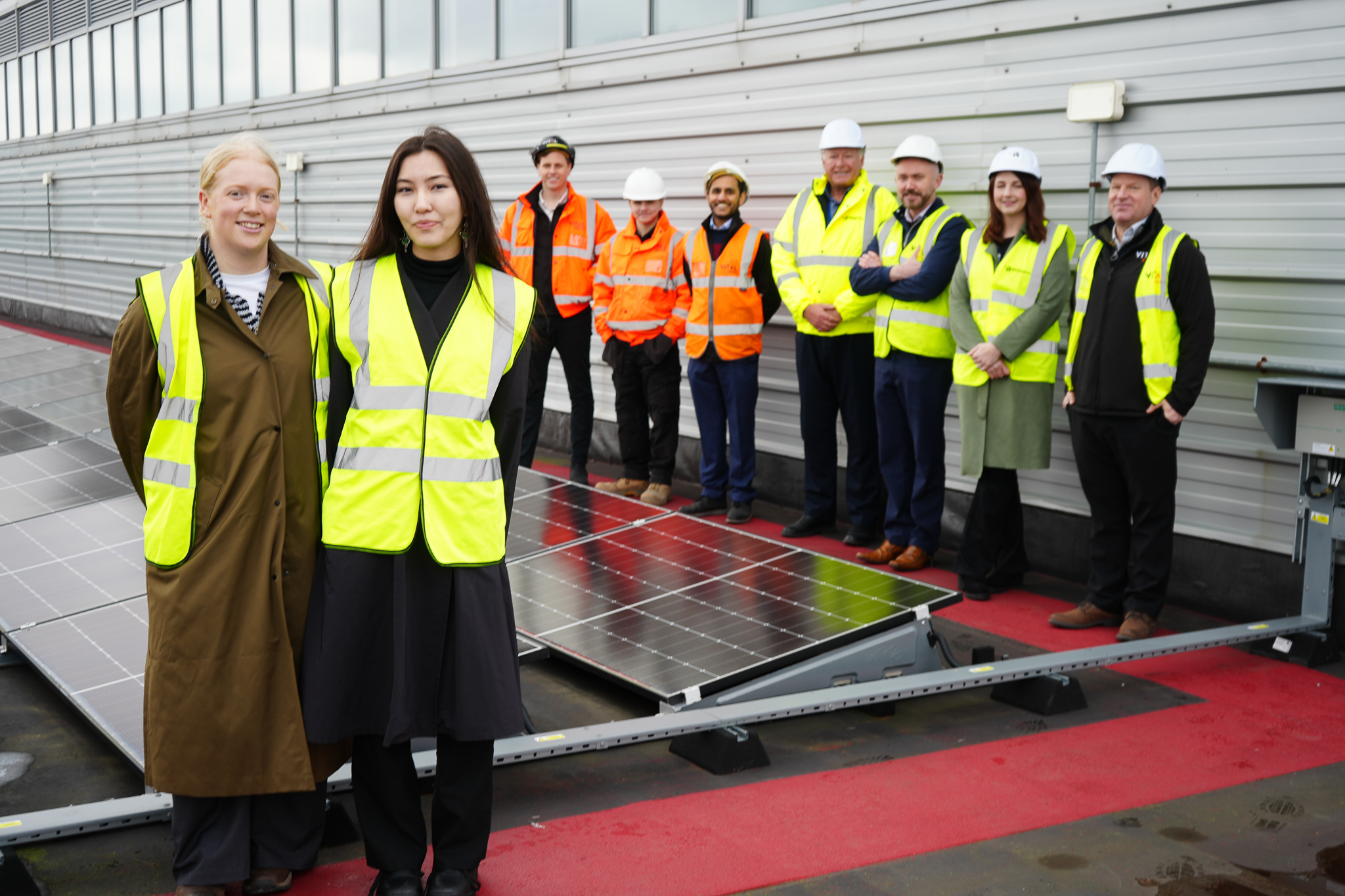
The University of Wolverhampton has reached significant milestones in its ambitious £11 million decarbonisation programme at Walsall Campus, following a site visit from Salix Finance – the organisation delivering the government’s Public Sector Decarbonisation Scheme (PSDS).
The project, supported by £8.6 million of government funding through Phase 3c of the Public Sector Decarbonisation Scheme, is transforming the campus through the installation of low‑carbon technologies, including an air‑to‑water cascade heat pump system, an expanded low-carbon heat network, rooftop solar photovoltaics, and a range of energy‑efficiency measures. Once fully operational, the scheme is expected to reduce carbon emissions by over 1,000 tonnes per year, significantly advancing the University’s journey towards net zero.
During their visit, representatives from Salix reviewed progress across the site, including the completion of all rooftop solar installations, the laying of new district heating pipework, and the preparation of the heat pump compound base. Upcoming phases include construction of the compound, heat pump installation and full system commissioning. The project is now scheduled for completion in Autumn 2026.
Dr Pete Cross, Chief Operating Officer at the University of Wolverhampton, said:
“This project represents an important and tangible step forward in our commitment to reducing our environmental impact and operating more sustainably. The scale of the decarbonisation works at Walsall Campus demonstrates our determination to invest in long‑term, future‑focused solutions that benefit both our University community and the wider region. We are extremely grateful for the support from Salix and the Public Sector Decarbonisation Scheme, without which this transformative project simply would not have been possible.”
Director of public sector decarbonisation for Salix, Ian Rodger added:
“It’s inspiring to see the progress being made at the university and the vision that has driven the work.
“These decarbonisation plans are taking the long view, making sure the campus is fit for the students and teams today and for the future. By investing in low-carbon heating, improved energy efficiency and modern infrastructure, the university is reducing its carbon footprint while also lowering running costs and improving resilience against future energy price volatility.
“This work will make a tangible difference to the whole campus community, creating warmer, more comfortable buildings in winter, better learning and working environments year-round, and healthier spaces overall.”
The programme is being delivered in partnership with Vital Energi, who are leading the installation of the multi‑technology solution. As part of the works, a ‘Living Lab’ will also be created, offering students, staff and researchers a unique real‑world environment in which to study sustainability technologies, monitor energy performance and contribute to ongoing improvements across the estate.
Jordan Frith, Operations Manager at Vital Energi, said:
“It was fantastic to welcome Salix and share the progress being made across this major decarbonisation programme. The milestones achieved so far reflect the University’s ambition and the strength of our partnership, with the combination of low‑carbon technologies creating a resilient, futureproof energy system. We’re proud to be working alongside the University on a project that will deliver long‑term carbon reduction and sustainability benefits for the campus and the wider community.”
Looking ahead, the University plans to extend its decarbonisation work further, with a new masterplan for the Walsall Campus set to be developed. This will explore future opportunities to reduce carbon emissions, improve energy performance and create a more sustainable estate for generations to come.
For more information please contact the Corporate Communications Team.