/prod01/wlvacuk/media/departments/digital-content-and-communications/submitted-news-images/Mr-Speaker-2.jpeg)
Back
Back

University helps local dancers boost performance and prevent injury through screening programme
11/02/2026
From breakdancers preparing for competitions to traditional Morris dancers perfecting their craft, performers across the region are benefitting from a unique screening service designed to keep dancers at their best and reduce the risk of injury.
The University, as a founding partner of the National Institute of Dance Medicine and Science (NIDMS), with Professor Matthew Wyon from the School of Health and Wellbeing serving as the research lead, is helping deliver a Performance Optimisation Programme that brings sports‑science expertise directly to the dance community.
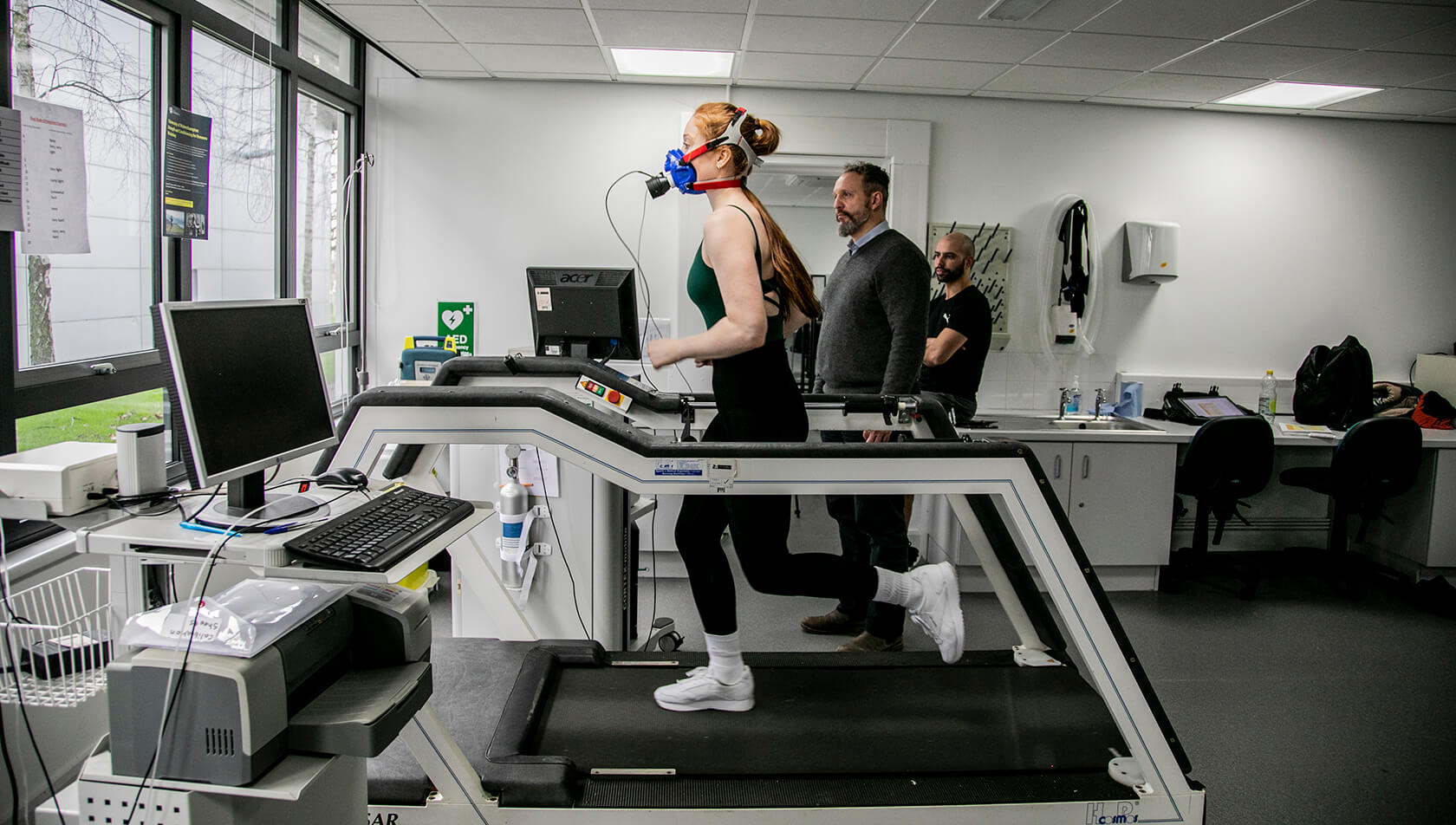
Unlike a standard fitness check, the screening is a dual‑practitioner assessment, combining the expertise of a specialist physiotherapist and an exercise physiologist. Together, they create a detailed picture of a dancer’s strength, mobility, stamina and overall readiness to perform.
The programme is open to dancers of all styles and levels, from community groups to professionals and is designed to help them:
- Reduce the likelihood of injury
- Understand their body’s strengths and areas for improvement
- Prepare safely for performances, competitions or tours
- Build long-term resilience and confidence
Last week, the team worked with a diverse range of performers:
- A contemporary dancer looking to refine technique
- A B-boy preparing for a high-level breaking competition
- A Morris dancer wanting to maintain fitness for demanding traditional routines
Each screening offers personalised, practical advice, giving dancers clear steps they can take immediately, whether in rehearsal studios, theatres, or community halls.
Through the programme, dancers receive tailored guidance including strength and conditioning plans, injury‑prevention strategies, and performance‑enhancing recommendations based on how their body responds to the demands of dance.
“Applying the knowledge we have gleaned through our research to an individual dancer and helping them achieve their goals - whether it is coming back from injury or preparing for a specific performance - is the completion of the circle for me,” says Professor Wyon. “It transforms data into tangible progress and empowers the artist with evidence-based strategies for their career.”
The Midlands is home to a thriving dance culture, from youth groups and community ensembles to competitive crews and professional touring artists. The University’s partnership with NIDMS ensures that this community can access the same level of specialist care and performance science typically reserved for elite athletes.
This investment in dancer health and longevity reflects the University’s broader mission to support well‑being, creativity and cultural life across the region.
Dancers, groups or organisations interested in booking a screening or finding out more about the Performance Optimisation Programme can contact the University of Wolverhampton’s NIDMS team for further information.
Photo credit: Dani Bower
Photo caption: Dancer Lauren Hewett is put through her paces, and observed by Professor Matthew Wyon, University of Wolverhampton
For more information please contact the Corporate Communications Team.